
Conversion Path Analysis: Map Customer Journeys to Boost Revenue

Last Updated: March 28, 2026
Key Takeaways
- Conversion path analysis maps the complete sequence of touchpoints that lead to customer conversions
- B2B buyers average 8-12 touchpoints before converting; ecommerce averages 2-5 touchpoints per path
- Identifying high-performing paths lets you replicate success and allocate budget to proven sequences
- AI-powered analysis detects patterns humans miss, automating optimization and revenue recovery opportunities
What Is Conversion Path Analysis?
Conversion path analysis maps the sequence of touchpoints, channels, and interactions that customers encounter from their first awareness of your brand through to final purchase. It's about understanding the complete customer journey, not just crediting whichever marketing channel happened to be last.
Here's why this matters urgently: most businesses operate under a dangerous misconception. They track last-click attribution, which means giving all credit to the final touchpoint before conversion. A customer might discover you through social media, research your solution via Google, read reviews on a comparison site, and finally click an email link to buy. Traditional analytics would credit only that email. But remove any of those earlier touchpoints, and that sale never happens.
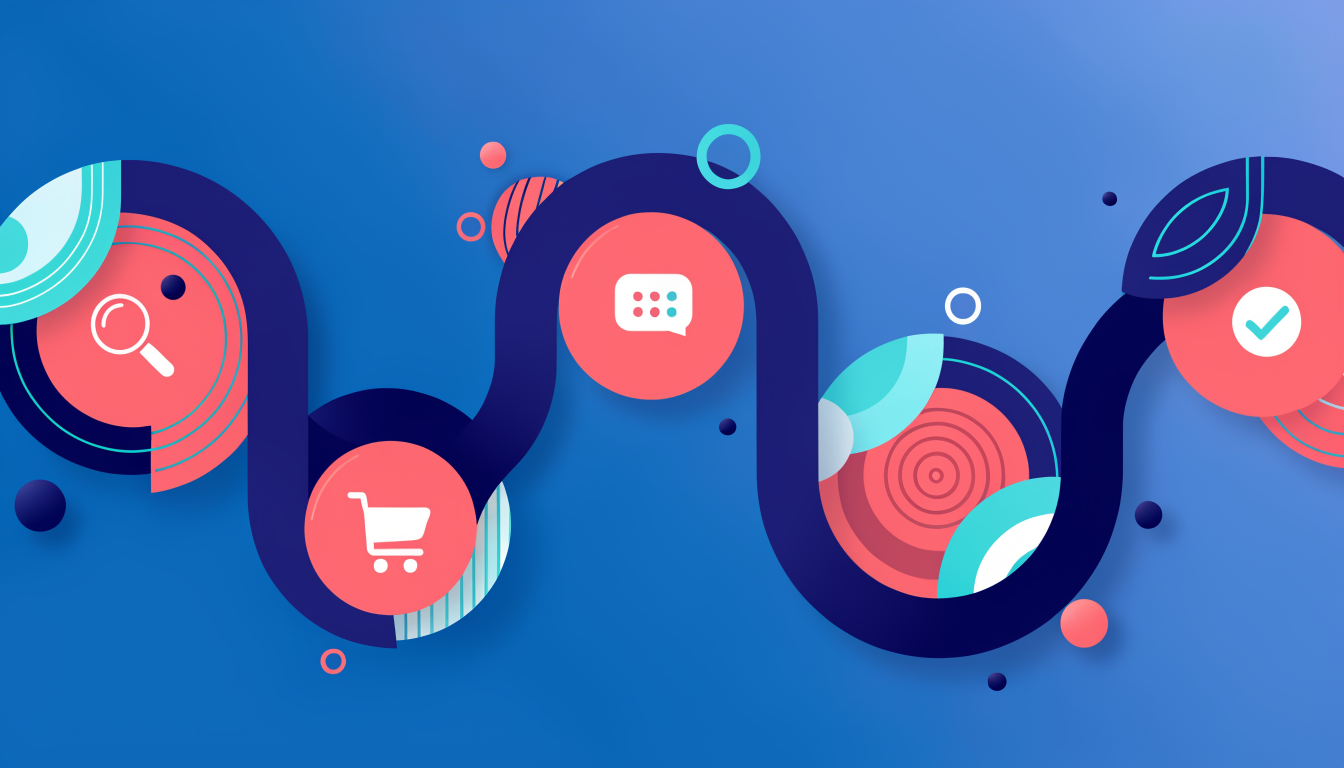
Modern customer journeys span multiple channels and devices over days or weeks. Someone researches on mobile, compares on desktop, and converts on tablet. They interact with paid ads, organic content, emails, and customer reviews. This complexity demands a more sophisticated approach than last-click attribution can provide.
Conversion path analysis reveals how these touchpoints actually work together. It shows which channels truly influence decisions, which combinations drive conversions most effectively, and where customers drop off. Armed with this intelligence, you can optimize your marketing spend, improve customer experience, and ultimately drive measurable revenue growth.
Why Path Length and Touchpoint Frequency Matter
Here's the uncomfortable truth: your competitor's conversion path looks nothing like yours. The B2B software company closing enterprise deals operates in a completely different universe than the ecommerce brand selling $50 sneakers. Yet many marketers treat all conversion paths as interchangeable, which is exactly how budgets get wasted.
The numbers tell a stark story. B2B companies typically see customers interact 7-13 times before converting, while ecommerce paths average just 2-5 touchpoints. Modern B2B buyers engage with an average of 8-12 touchpoints before making purchase decisions, according to Gartner's B2B buying journey research. This isn't a minor difference; it fundamentally changes how you should structure campaigns and allocate budget.
Why does this matter for your business? Because knowing your actual path length sets realistic expectations and prevents you from chasing the wrong metrics. If you're a B2B company expecting conversions after two touchpoints, you'll kill campaigns that are actually performing well. If you're ecommerce and budgeting for 10 interactions per customer, you're hemorrhaging money on unnecessary frequency.
Here's where it gets actionable. Understanding your typical path length tells you how to sequence your marketing spend. A longer path demands nurture content, retargeting, and multiple channels working in concert. A shorter path rewards speed and friction removal. The difference in campaign strategy is dramatic.
One more critical insight: organic search dominates across most industries, driving roughly 40% of first interactions and 36% of final touches. This consistency means your organic strategy isn't optional; it's foundational regardless of your industry or path length.
The bottom line is straightforward. Map your actual conversion path before spending another dollar. Know whether you're competing in the 3-touchpoint world or the 10-touchpoint marathon. Build your strategy around reality, not assumptions. That's how conversion path analysis moves from interesting data to actual revenue impact.
How to Map Conversion Paths: The Complete Process
Setting up conversion path analysis requires a methodical approach, but the process is far more straightforward than most assume. Here's how to move from raw data to actionable insights.
Start with comprehensive tracking. You need visibility into every interaction a prospect has with your brand, across every channel. This means website visits, email clicks, ad impressions, demo requests, support tickets, and social engagement. Without this foundational data layer, you're working blind. Set up event tracking in your analytics platform and ensure nothing falls through the cracks.
Next, unify your customer identities. This is where many teams stumble. Data collection and identity resolution form the foundation by unifying cross-channel behaviors into single customer profiles. Someone who clicks your ad on LinkedIn, visits your pricing page, and later opens an email should be recognized as one person, not three separate data points. Tools that match anonymous and known user behavior are essential here.
Then sequence your interactions chronologically. Order every touchpoint by timestamp so you can see the exact sequence of events leading to conversion. This temporal ordering reveals which experiences actually preceded purchase decisions, not just which ones happened to occur sometime before.
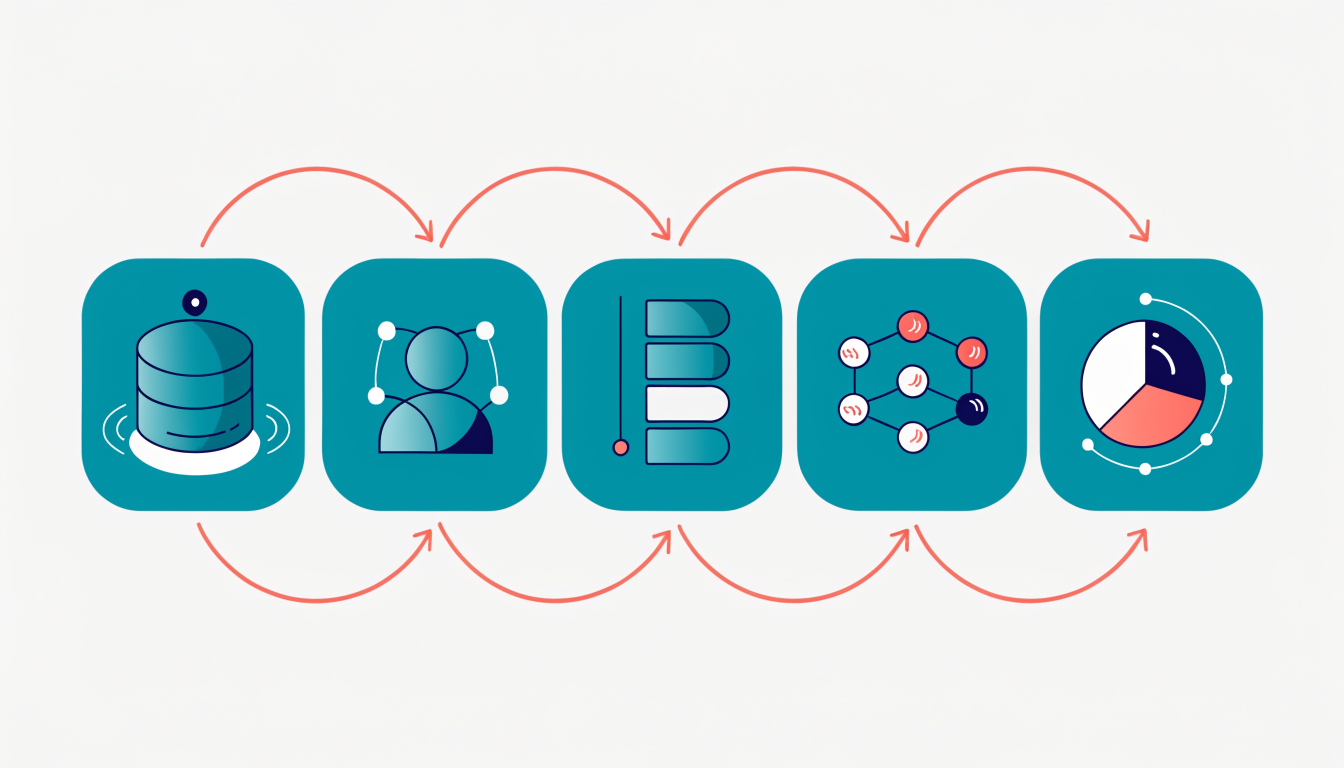
Identify patterns at scale. Aggregate individual journeys to spot common sequences. Path analysis reveals that 40% of conversions follow a Content to Webinar to Demo pattern while 25% follow Ad Click to Pricing Page to Direct Demo Request. These patterns show you what actually works.
Finally, apply attribution modeling. Decide how to distribute credit across touchpoints. First-touch, last-touch, linear, or time-decay models each tell different stories. Choose the model that aligns with your business reality.
Understanding these barriers helps too. Checkout complexity, unclear messaging, lack of trust, and slow load times consistently derail conversions. Map these friction points alongside your successful paths, and you'll know exactly where to optimize.
Identifying High-Performing Paths and Budget Allocation
Here's where conversion path analysis becomes a revenue machine. Once you've mapped your customer journeys, the next critical step is identifying which paths actually drive conversions and shifting your budget to match reality, not assumptions.
Start by calculating conversion rates for each path. If paths starting with LinkedIn ads convert at 3x the rate of display ad paths, that's your signal to reallocate spend. You're no longer guessing; you're investing in proven patterns that your customers follow.
But here's the trap most marketers fall into: they judge every channel by the same metric. An awareness channel that initiates conversations shouldn't be measured by how many conversions it closes. A closing channel shouldn't be credited for brand awareness. Instead, measure awareness channels by the quality and volume of paths they start. Measure closing channels by conversion efficiency. This distinction transforms how you evaluate ROI across your funnel.
Timing matters intensely. Over 65% of revenue is generated by users in the first 3 days of converting, with the number steadily dropping to about 1.1% on Day 9. This means your retargeting and closing sequences need to be aggressive early. Build campaign sequences that mirror your best-performing paths, compressing the timeline where possible.
Finally, create retargeting audiences based on where prospects sit in your path stages. Someone who completed steps one and two but dropped off needs different messaging than a new prospect. This precision targeting dramatically improves conversion rates while reducing wasted spend on irrelevant audiences. Your budget allocation should flow toward channels and sequences that move people through high-converting paths fastest.
Detecting Drop-Off Points and Optimization Opportunities
Finding where customers bail on your conversion path is only half the battle. The real work begins when you distinguish between genuine drop-off points and natural divergence in how different segments move through your funnel.
Not every path change signals a problem. Some visitors legitimately take longer routes; others bounce because they're not your target audience. The difference matters. Drop-off rates reveal patterns and bottlenecks that actively prevent progression, while natural divergence simply reflects diverse customer behaviors and preferences.
Once you've pinpointed actual friction points, A/B testing becomes your primary tool. Test removing steps, simplifying form fields, clarifying value propositions, or reducing cognitive load at identified barriers. The key is testing one variable at a time so you know exactly what moved the needle.
Personalization amplifies these improvements. Modern analytics platforms process millions of interactions in real-time, enabling you to dynamically adjust experiences based on where someone sits in their journey. A first-time visitor needs different guidance than someone returning for the third time. AI-powered systems detect micro-interactions that influence conversion rates, patterns human analysts would miss in raw data.
But optimization isn't a one-time event. Markets shift, customer expectations evolve, and new friction points emerge. Implement continuous monitoring of your path performance. Track whether improvements hold their impact over weeks and months. Watch for seasonal variations or shifts in traffic source behavior that might create new bottlenecks.
The conversion path that worked brilliantly last quarter might underperform today without ongoing attention. Build this monitoring into your regular analytics rhythm, not as an afterthought. When you treat path analysis as a continuous improvement cycle rather than a one-off audit, you catch problems before they tank your numbers and capitalize on opportunities faster than competitors still running quarterly reports.
From Analysis to Action: The AI-Powered Evolution
Here's the uncomfortable truth: your current analytics setup is already outdated. Traditional conversion path analysis relies on manual data processing, spreadsheets, and human interpretation. Marketing teams spend weeks sifting through reports, only to discover patterns that shifted days ago. Traditional conversion path analysis relied heavily on manual data processing and interpretation, a time-consuming process prone to human bias and oversight.
AI agents change this equation entirely. Rather than waiting for next month's report, AI processes massive volumes of behavioral data in real-time, detecting subtle patterns that human analysts would miss. These systems identify which customer segments convert at higher rates, pinpoint exactly where friction emerges in your funnel, and surface optimization opportunities weeks faster than traditional methods.
What truly separates AI-powered conversion analysis from traditional reporting is automation. AI agents don't just observe; they act. When conversion patterns shift or revenue-impacting issues emerge, these systems trigger alerts and recommendations immediately. Predict customer churn before it happens. Identify high-value segments worth nurturing. Automate A/B test suggestions based on real behavioral data. Your AI teammate works continuously, transforming raw data into revenue-recovering actions before your competitors even notice the opportunity exists. This isn't the future of conversion optimization. It's the competitive advantage your business needs right now.
FAQ: Common Questions About Conversion Path Analysis
What's the difference between conversion paths and funnels?
These terms get used interchangeably, but they're fundamentally different. Conversion paths show the actual sequences of channels and touchpoints users experienced before converting. Funnels show predefined steps in a specific process and measure drop-off rates at each stage. Paths reveal what customers actually do; funnels measure how many drop off at each step you've predetermined. Use paths when you're exploring behavior; use funnels when you're optimizing a known process.
How do I handle cross-device and cookie-less tracking?
First, implement first-party data collection through your CRM or email system. Connect online behavior to actual customer accounts rather than relying on cookies alone. For cross-device tracking, use user login data and email identifiers whenever possible. If you're using Google Analytics 4, enable cross-device reporting through user IDs. The shift away from third-party cookies means investing in first-party data is no longer optional.
What conversion events should I track?
Choose conversion events that align with revenue, not just engagement. Pageviews and video watches are interesting, but they don't pay the bills. Focus your path analysis on actions that lead to actual business outcomes. Track purchases, demo signups, qualified leads, and account creations. These matter. Secondary events (like adding to cart or downloading resources) support your analysis but shouldn't be your primary focus.
How often should I review my analysis?
Customer behavior shifts. New competitors enter the market. Platform algorithms change. The paths that work today might not work the same way in six months. Review your conversion path analysis quarterly. Monthly reviews catch urgent issues; quarterly reviews ensure you're adapting to real market changes.
The Bottom Line: Why Conversion Path Analysis Matters Now More Than Ever
The businesses winning today aren't the ones with the biggest marketing budgets. They're the ones converting smarter.
Rather than examining isolated marketing activities, conversion path analysis reveals how multiple touchpoints combine and influence each other across the complete customer journey to drive desired outcomes, according to industry research. This shift from channel-by-channel thinking to sequence-based thinking is no longer optional; it's the baseline for staying competitive.
Here's what's changed: guessing about customer behavior used to be acceptable. Now it's expensive. Every missed optimization is revenue walking out the door. Every delayed insight is a competitor getting ahead. The companies capturing market share understand that correlation matters less than causation. They know which touchpoint sequences actually drive conversions, not just which channels get credit.
But here's the catch. Data collection alone won't save you. You can track everything and still miss opportunities if you're waiting for quarterly reports to act. The next evolution is automation. AI-powered systems that identify patterns in real time, test optimization hypotheses automatically, and surface actionable recommendations without human lag.
Privacy-first tracking adds another layer of urgency. As cookies disappear, the businesses prepared to track customer journeys without relying on third-party data will maintain their edge.
The question isn't whether to invest in conversion path analysis anymore. It's whether you'll implement it fast enough to matter. Your customers are already on their journeys right now. The data is already being generated. The real opportunity is in acting on it today, not next quarter.
Go deeper in the Learning Hub
Try Arktis free for 7 days
Attribution tracking, session recordings, and AI automation in one platform. Set up in 2 minutes, free for 7 days.
Start 7-day free trial