
Mastering the Customer Experience Journey in 2026: A Data-Driven Guide
Last Updated: February 25, 2026 Key Takeaways Customer journeys in 2026 start with AI discovery engines, not your website or social channels Unified data and re...

Last Updated: February 25, 2026
Key Takeaways
- Customer journeys in 2026 start with AI discovery engines, not your website or social channels
- Unified data and real-time analytics are non-negotiable for understanding customer behavior across touchpoints
- Organizations excelling at personalization grow revenue 2x faster and improve loyalty by 71 percent
- Successful CX requires orchestration across all channels, not optimization of isolated touchpoints
- Post-purchase experience is where loyalty is earned; invest beyond the initial sale
What is the Customer Experience Journey and Why It Matters in 2026
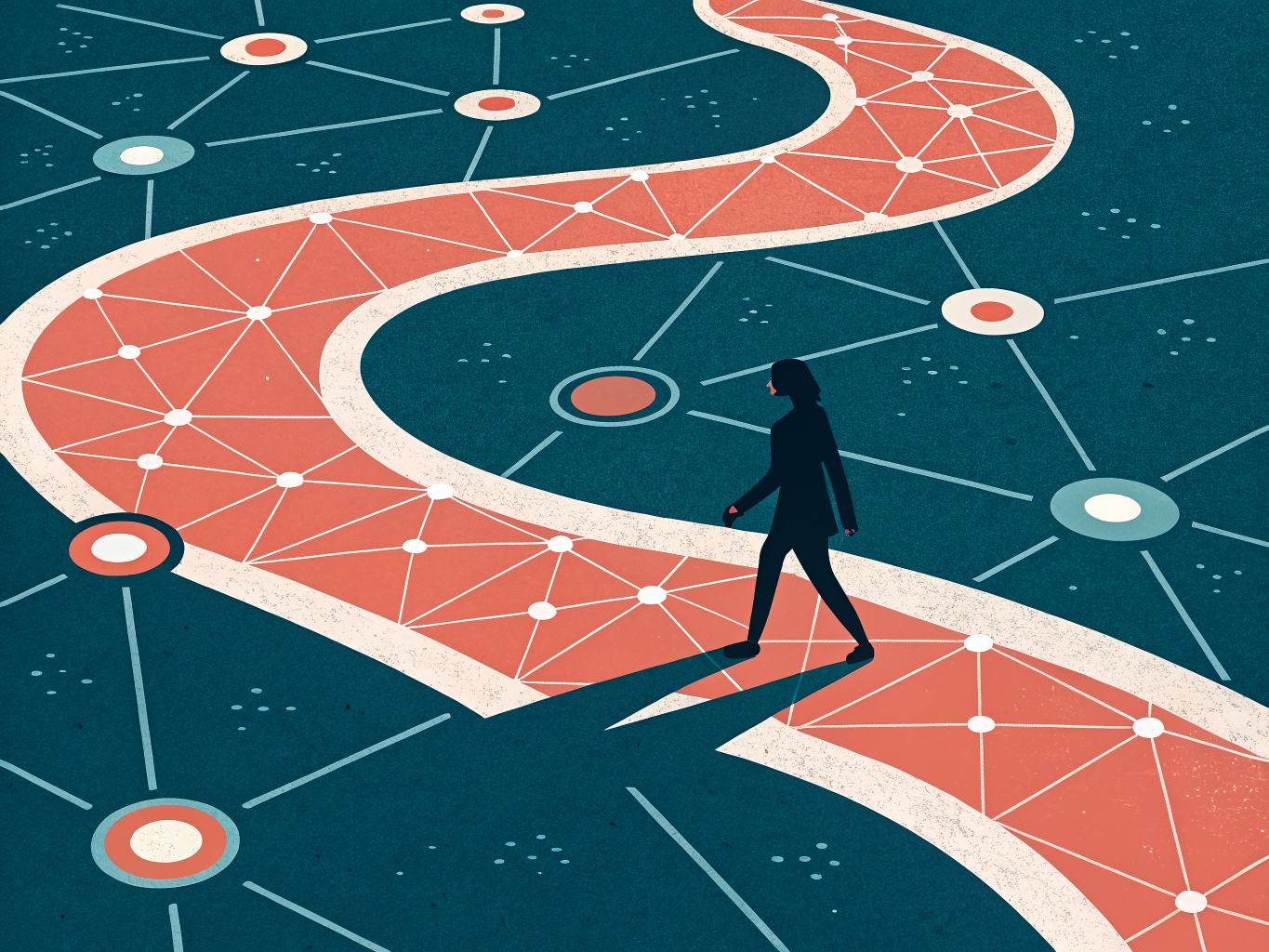
The customer experience journey is no longer a linear path from awareness to purchase. It's a complex, interconnected network where customers move fluidly between channels, devices, and contexts, often guided by forces you don't directly control. In 2026, that journey frequently begins not on your website or in your marketing email, but within AI-powered discovery engines, social platforms, and recommendation algorithms that shape what customers see before they ever know your brand exists.
This shift fundamentally changes everything. Customer journeys in 2026 are non-linear networks where buyers move between channels, devices, and contexts with unprecedented fluidity. A prospect might discover your product through an AI chatbot, research competitors on a mobile app, read reviews on social media, and complete a purchase on desktop, all while your analytics track only fragments of their actual behavior.
The stakes are real. Companies that understand and optimize these journeys outpace competitors in revenue growth and customer loyalty. Those that don't risk losing customers at invisible moments when decisions are actually being made.
Here's what makes 2026 different: data and analytics have become non-negotiable. You can no longer rely on assumptions about what your customers want or when they want it. Instead, you need to identify the moments that genuinely matter, the friction points that drive abandonment, and the touchpoints that build trust. This requires connecting disparate data sources, understanding behavioral patterns, and recognizing that your customer experience is now a connected ecosystem spanning media, messaging, product, service and post-purchase engagement.
The time to act is now. Businesses that master their customer experience journey in 2026 will be the ones collecting the insights that matter most.
The Shift From Channel-Centric to AI-Driven Customer Journeys
The way customers find and evaluate your brand has fundamentally changed. You no longer control where that journey begins.
In 2025, brands could reasonably expect their website or social media channels to be the starting point. Today, AI answer engines are. When a prospect researches your product or service, they're likely asking an AI agent first. That agent synthesizes information, compares options, and often answers the question completely without ever directing them to your website.
The numbers are stark: 60 percent of user searches now end without the consumer clicking through to visit a company's website due to AI overviews. Your carefully optimized landing page? It might never be seen. Your comparison table? An AI agent already summarized it for them.
But there's more. Customers are using AI agents for negotiation and decision-making before they contact you. They're asking about pricing flexibility, warranty terms, and competitive positioning entirely through these platforms. By the time someone reaches your sales team, they've already formed opinions based on AI-curated information you didn't provide.
This demands a strategy shift. You must optimize for AI discovery, not just search engines or user experience design. That means structuring your product data, pricing, and value propositions in ways AI systems can parse and present accurately. It means being findable and compelling within these new ecosystems.
Here's what matters more than ever: post-acquisition experience. Once customers are actually engaged with your brand, the differentiation happens in how you deliver value, solve problems, and build loyalty. That's where you win back control. The journey no longer starts with you, but it absolutely can end with you becoming irreplaceable.
Mapping Your Customer Experience Journey: From Data to Strategy
Your customer journey isn't a straight line. It's a messy, multi-channel reality where prospects bounce between your website, social media, a competitor's review site, a friend's recommendation, and your physical store before deciding anything. Mapping this chaos is where strategy begins.
Start by distinguishing between two critical activities. Customer journey mapping visualizes the end-to-end experience across all touchpoints, showing where customers interact with your brand. Journey analytics brings data to life by measuring what actually happens at each stage. You need both.
Identify moments that matter. Not every interaction carries equal weight. Focus on the stages where decisions happen: awareness (discovering you exist), consideration (evaluating options), purchase (committing), retention (staying engaged), and advocacy (recommending you). Within these, look for the moments that truly matter. "The goal is to identify the moments when a customer is deciding, hesitating, committing or evaluating" MarTech. These friction points reveal where you're losing people.
Gather data from everywhere. "Customer journey analytics is the process of tracking and analyzing how customers use combinations of channels to interact with an organization" Quadient. Pull from multiple sources: website analytics show digital behavior; customer interviews reveal motivations and frustrations; surveys capture sentiment; support logs expose pain points; CRM data tracks engagement patterns.
Build unified customer profiles. Consolidate this fragmented data into single customer views. Someone who abandoned your cart, called support three days later, then purchased after reading a review is one person, not three disconnected data points. This unified perspective is non-negotiable for modern mapping.
Don't get paralyzed by perfection. Your first map won't be flawless. Start with your highest-value customer segments, map their journeys using available data, then expand. The act of mapping forces clarity that spreadsheets never will.
Leveraging Analytics and AI to Understand Customer Behavior
Modern customer experience optimization demands more than intuition. It requires seeing the complete picture of how customers interact across every channel, touchpoint, and moment that matters.
The foundation starts with automatic data capture. Rather than piecing together fragmented logs from individual platforms, modern analytics should give you retroactive insights from day one, creating a unified record across web, mobile, and digital channels. This eliminates blind spots that traditionally plague journey mapping.
Breaking down data silos is equally critical. Your CRM holds different information than your analytics platform, which diverges from your support system. When these systems remain disconnected, you're essentially analyzing partial truths. The moment you connect these sources, patterns emerge that were invisible before. A customer might show high engagement in your app but abandon at checkout on web, or contact support repeatedly about a feature they can't find. These behavioral signals only surface when you're looking at complete data.
Real-time analytics platforms accelerate your response time dramatically. Instead of discovering issues in weekly reports, you identify friction points as they happen and adjust immediately. This could mean rerouting a struggling customer to live support, simplifying a confusing checkout flow, or pausing a campaign that's underperforming.
Here's where AI and machine learning truly shine: they identify patterns humans miss. AI adds the most value when enhancing prediction, prioritization, and decision-making, helping you anticipate customer needs before they're explicitly stated. Predictive analytics outperform basic personalization because they're based on behavioral signals, not just demographics.
But tracking events alone isn't enough. You need to understand the "why" behind actions. Why did a customer abandon? Was the page slow? The copy confusing? The offer unappealing? Combining quantitative event data with qualitative insights reveals root causes, not just symptoms.
Personalization, Orchestration, and the Tools That Power Modern CX
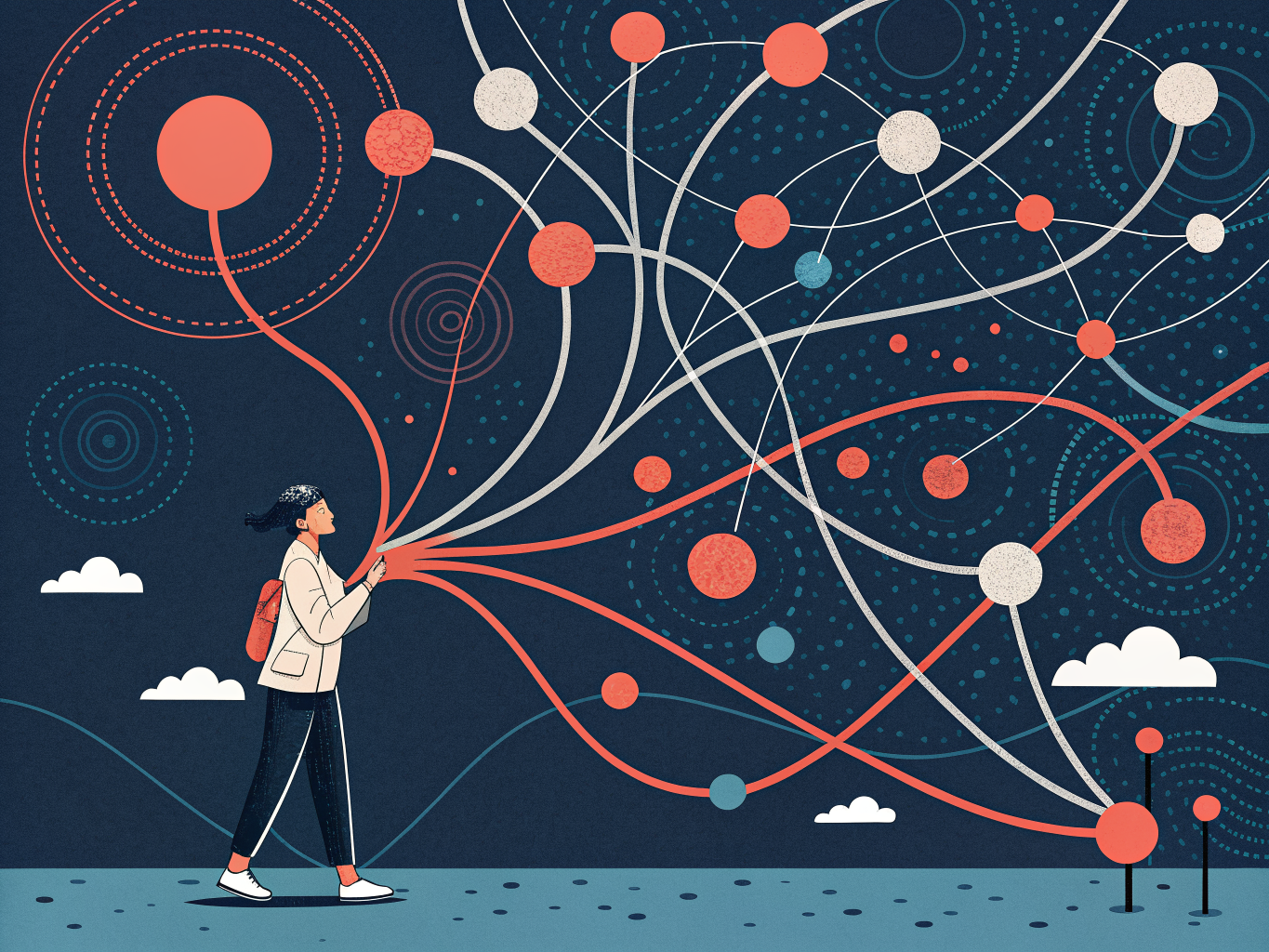
Understanding your customer's journey is one thing. Optimizing it is another entirely. The difference lies in two interconnected capabilities: personalization and orchestration, powered by the right technology stack.
Organizations that excel at personalization are 48 percent more likely to exceed revenue goals and 71 percent more likely to improve customer loyalty. But here's the catch: personalization at scale requires infrastructure, not just intention.
Enter the unified customer data platform. Rather than scattered customer information across email, CRM, analytics, and social systems, a CDP consolidates everything into a single source of truth. This enables consistent, personalized experiences whether a customer interacts with you via website, mobile app, or support channel. Customer data platforms have evolved from marketing tools to enterprise infrastructure that powers personalization across the entire organization, fundamentally changing how teams collaborate around customer experiences.
Orchestration takes this further. It's about coordinating the right message, through the right channel, at the right moment. When a customer abandons their cart, orchestration tools automatically trigger personalized follow-ups across email, SMS, or push notifications based on their behavior and preferences. Real-time personalization powered by AI is no longer optional; it's table stakes.
Yet personalization raises legitimate privacy concerns. The good news: customers are willing to share data when they see clear, personalized benefits in return. A 20 percent discount feels transactional. A recommendation that actually solves their problem feels valuable. Build trust through transparency about how you use data, and you create permission to personalize.
The investment in these technologies pays dividends. Companies that treat the customer experience journey as a strategic asset, not an afterthought, gain competitive advantages that compound over time. Your 2026 roadmap should prioritize unifying your data, automating orchestration, and respecting privacy as a feature, not a constraint.
Frequently Asked Questions About Customer Experience Journeys
Q: How do I start mapping my customer experience journey with no baseline data?
Stop waiting for perfect data. Begin with what you have: customer support tickets, website analytics, or even direct conversations with your team. Conduct five to ten customer interviews this week. Ask them to walk you through their recent experience with your product. These conversations reveal pain points that no dashboard will show you. Once you've documented these stories, you'll have a rough journey map to build from. Data collection improves once you know what matters.
Q: What's the difference between journey mapping and journey analytics?
Journey mapping is the blueprint; analytics is the measurement. Mapping identifies where customers interact with your brand and what they're trying to accomplish. Analytics measures how they actually behave at each touchpoint. You need both. The map tells you where to look; the data tells you what's working and what's breaking.
Q: How do I implement real-time analytics without overwhelming my team?
Most projects fail because teams overcomplicate the process. Start with one critical metric per department. Marketing tracks conversion rates; support tracks resolution time. Build from there. Real-time doesn't mean watching dashboards constantly. It means alerts when something goes wrong and weekly reviews of what changed.
Q: What role should AI play in my strategy?
AI predicts behavior and personalizes at scale. Use it to identify at-risk customers before they leave and recommend next steps based on their journey stage. It's not magic; it's pattern recognition at speed.
Q: How do I balance personalization with privacy?
Be transparent. Tell customers exactly what data you collect and why. Give them control. The brands winning in 2026 aren't sneaky; they're trustworthy.
Conclusion: The Future of Customer Experience is Orchestrated Intelligence
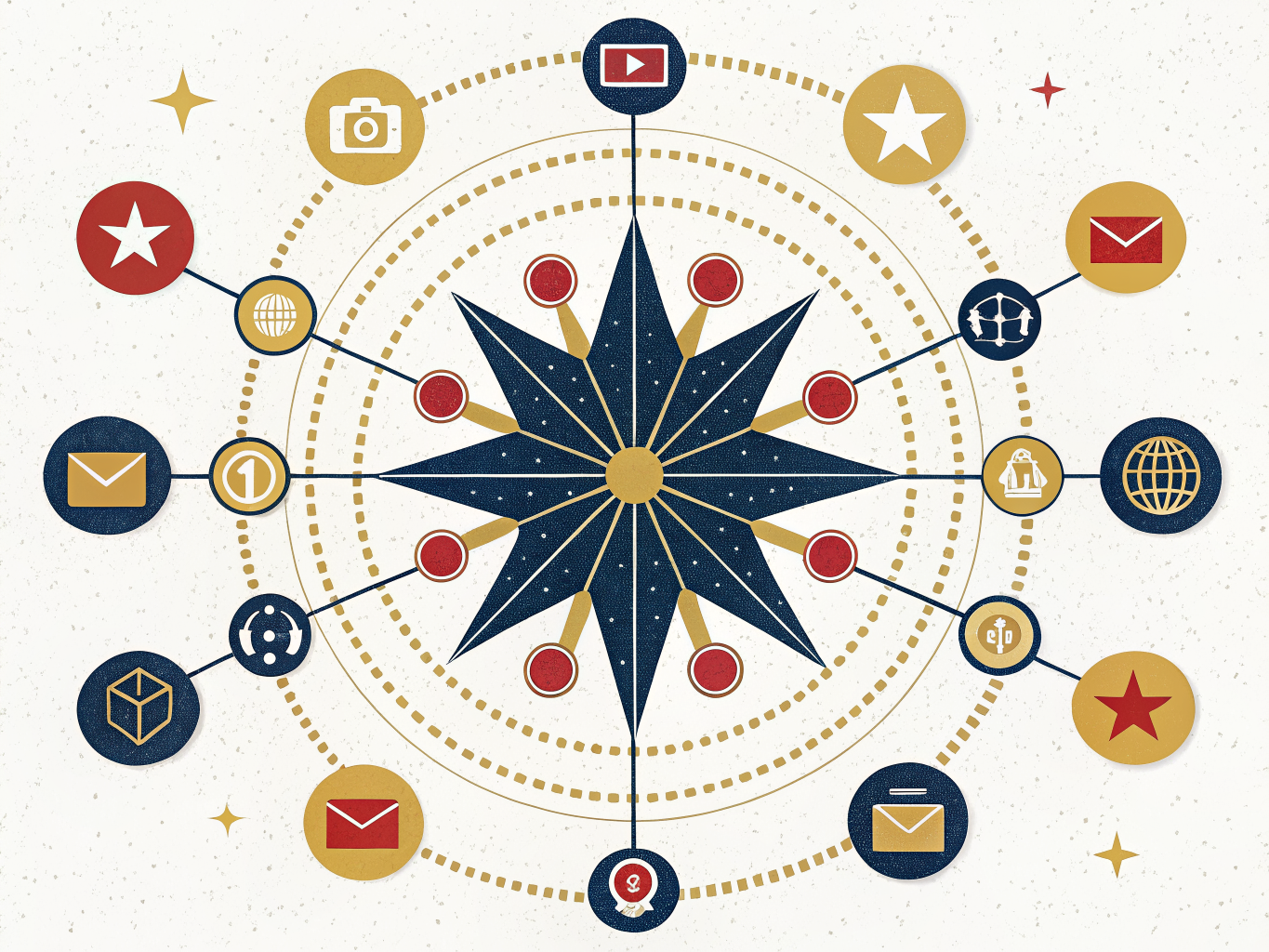
We've reached an inflection point. In 2026, the organizations winning aren't those collecting the most data or deploying the fanciest tools. They're the ones treating customer experience as their central nervous system, not a departmental responsibility.
The shift is clear: from channel-centric thinking to AI-driven journeys, from static maps to dynamic analytics, from isolated touchpoints to orchestrated experiences. 2026 is the year CX grows up; listening isn't enough, action is what proves value. Success requires unified data, real-time insights, and the courage to act on what you discover.
Here's what matters now: Start with an honest audit of where you stand. What silos exist? Where are you making decisions based on gut feel rather than evidence? Then prioritize quick wins that build momentum while you invest in the analytics capabilities that enable orchestrated intelligence.
The future of CX isn't aspirational. It's achievable. But it requires commitment, unified systems, and a willingness to move from assumptions to evidence. Your customer journey deserves nothing less.
Go deeper in the Learning Hub
Try Arktis free for 7 days
Attribution tracking, session recordings, and AI automation in one platform. Set up in 2 minutes, free for 7 days.
Start 7-day free trial