
Customer Journeys 2026: Complete Guide to Mapping & Analytics
Last Updated: February 24, 2026 Key Takeaways Customer journeys map every interaction from awareness to advocacy, requiring unified data across channels Real-ti...

Last Updated: February 24, 2026
Key Takeaways
- Customer journeys map every interaction from awareness to advocacy, requiring unified data across channels
- Real-time analytics reveal the 'why' behind customer behavior, transforming static maps into dynamic optimization
- 52% of customers switch brands after one negative interaction, making journey optimization critical
- Modern tools combine mapping with AI automation to identify friction points and trigger interventions automatically
- Companies using customer journey analytics save 15-20% in service costs while improving retention by 80%
What Is a Customer Journey? Definition and Core Concepts
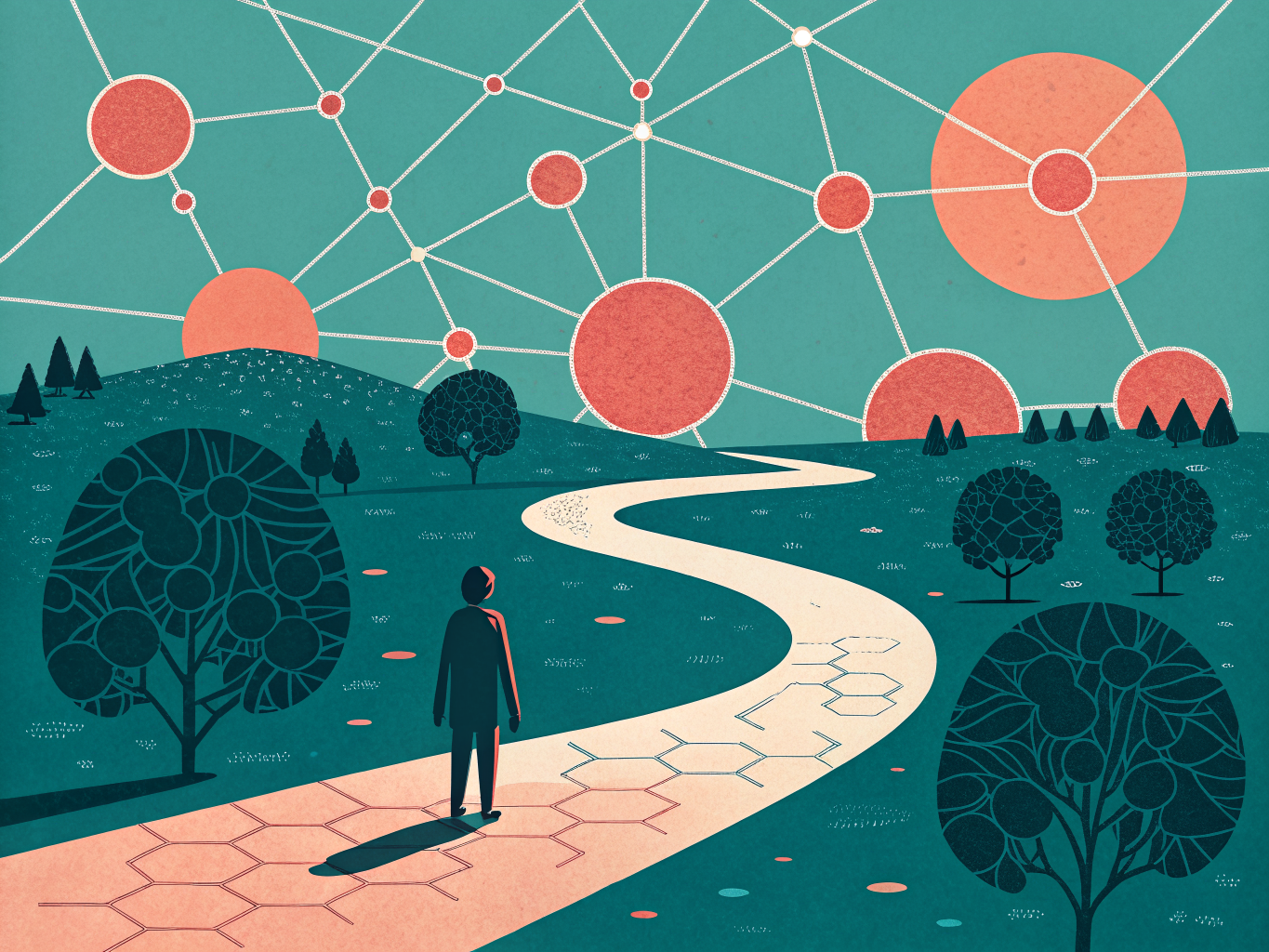
A customer journey is simply every interaction a person has with your brand, from the moment they first notice you exist to long after they've made a purchase. It's the complete path someone travels: awareness, consideration, decision, and beyond into loyalty and advocacy.
Here's what makes this concept critical right now: most businesses still treat customer journeys as linear checklists. They're not. Modern journeys are messy, non-linear, and happen across dozens of touchpoints. A prospect might discover you through a LinkedIn ad, research your product on your website, read a Reddit thread, ask a friend, then finally convert through email. Each of these moments matters.
The journey includes both direct touchpoints (support calls, live chat, in-app interactions) and indirect ones (social media mentions, review sites, word-of-mouth referrals). You need visibility into all of them.
One critical distinction: customer journeys aren't the same as buyer journeys. Buyer journeys focus narrowly on the purchase decision itself. Customer journeys encompass the entire relationship lifecycle. This matters for ecommerce, SaaS, B2B, and virtually every business model because it reveals where customers actually succeed or fail with you.
The business case is straightforward: 90% of international CEOs who employ data analytics report enhanced capacity to provide excellent customer service. That's not coincidence. When you understand the actual journey, you stop guessing and start optimizing.
The Five Stages of the Customer Journey
Every customer interaction follows a predictable arc. Understanding these five stages helps you deploy the right message at the right moment, turning casual browsers into loyal advocates.
Awareness is where it all begins. A prospect discovers your brand through paid ads, organic search, social media, or referrals. Your job here isn't to sell; it's to grab attention and establish relevance. An ecommerce brand might run targeted Facebook ads for winter coats; a SaaS company promotes a free webinar on LinkedIn. The goal is simple: make your solution visible to people who didn't know they needed it.
Consideration is the research phase. Now your customer is actively comparing options. They're reading reviews, watching demo videos, downloading case studies, and evaluating competitors. This stage demands trust-building content. For SaaS, detailed product comparisons and customer testimonials work. For ecommerce, high-quality product images, detailed specifications, and honest reviews reduce purchase anxiety.
Decision is the conversion moment. Your customer commits to buying or signing up. Friction here costs revenue. Streamline checkout processes, offer clear pricing, and remove unnecessary steps. A single confusing form field can kill deals.
Retention extends beyond purchase. Customers need onboarding support, responsive service, and ongoing value. This is where many brands lose focus. Regular engagement, helpful content, and proactive support keep customers from drifting to competitors. For SaaS, this means training resources and success check-ins. For ecommerce, it's follow-up emails and loyalty programs.
Advocacy transforms satisfied customers into your marketing team. They leave reviews, refer friends, and share experiences. This stage requires minimal effort but maximum attention; acknowledge their loyalty and make referrals frictionless.
Here's what's critical: these stages aren't always linear. Customers loop backward, skip stages, or move at different speeds. Real-time analytics let you identify where individuals are stuck and intervene with precision. That's the difference between hoping customers convert and actually driving conversions.
Customer Journey Mapping vs. Analytics: Understanding the Difference
Here's the section:
Think of customer journey mapping and analytics as two sides of the same coin: one shows the blueprint, the other reveals what's actually built.
Journey mapping visualizes the intended path. It's strategic, visual, and intentional. You plot touchpoints, identify stakeholders, and outline the ideal experience your customers should have. Maps answer the question: "How do we want customers to move through our business?"
Journey analytics, by contrast, measures real behavior with actual data. It tracks where customers go, how long they stay, where they abandon, and what drives conversions. Analytics answer the harder question: "What are customers actually doing?"
Here's why both matter. Journey maps provide a hypothetical framework of the customer's path, while journey analytics then validates, refutes, or refines that map with real data. Your map might show a smooth three-step checkout process, but analytics might reveal that 40% of users drop off at step two. That gap between intention and reality is where optimization happens.
Most high-performing teams use maps to plan strategy, then lean on analytics to adjust based on what the data shows. The most successful teams use maps to plan and then analytics to verify and adjust based on real user behavior. Maps are frameworks; analytics are verification tools.
The critical insight: analytics reveal not just what customers do, but why they do it. Did they leave because of friction, confusion, or a better competitor offering? Maps can't answer that alone.
For this to work, you need data integration across channels. Siloed data from email, web, mobile, and offline touchpoints creates blind spots. When you stitch these sources together, analytics become powerful enough to challenge your assumptions and guide real optimization.
Building Your Customer Journey Map: Step-by-Step Process
Building a customer journey map doesn't require starting from scratch or getting paralyzed by complexity. Here's a practical framework to move from concept to execution.
Start with Clear Objectives. Before mapping anything, define what you're solving for. Are you reducing churn, improving onboarding, or increasing lifetime value? Your objective shapes everything downstream.
Create Detailed Personas. Move beyond demographics. Interview real customers to understand their motivations, pain points, and goals. A persona should feel like someone you could have coffee with, not a generic archetype.
Identify All Touchpoints. Map where customers interact with your brand: website, email, social media, support channels, in-app experiences, or physical locations. Don't assume; trace actual paths customers take across every channel.
Document the Stages and Emotions. Sequence interactions from awareness through advocacy. At each stage, capture what customers feel. Frustration at checkout? Confusion during onboarding? These emotional notes are gold for identifying improvement opportunities.
Gather Qualitative and Quantitative Data. Use a mix of qualitative and quantitative methods to get a full picture of how customers experience brand touchpoints. Conduct interviews and user testing to uncover the "why" behind behaviors. Then layer in analytics data: conversion rates, drop-off points, session duration, and click patterns reveal the "what" at scale.
Validate Against Real Behavior. Your assumptions matter less than actual data. Compare what you think is happening against what your analytics and CRM systems show. Discrepancies often reveal the biggest opportunities.
Bring It to Life. Tools like Miro, Smaply, or even detailed spreadsheets work well. The format matters less than the insights captured. Make your map visual and shareable so teams can reference it constantly.
This isn't a one-time exercise. Revisit your map quarterly as customer behavior shifts and new data emerges.
How to Track and Analyze Customer Journeys with Analytics
The gap between traditional analytics and modern customer journey tracking has never been wider. Most teams still rely on Google Analytics, which captures website behavior effectively but leaves massive blind spots across email, mobile apps, social media, and offline interactions. You need a more comprehensive approach.
Start by implementing automatic data capture across all channels. Rather than manually tagging every event, modern platforms ingest behavioral data from your website, mobile app, email platform, ad networks, and social channels simultaneously. Modern journey analytics needs automatic capture across all channels, giving retroactive insights from day one. This retroactive capability matters because you won't lose historical context while building your tracking infrastructure.
Once data flows in, consolidate it into a single source of truth. Platforms centralize data from various channels like web, mobile, email, ads, and social media into a single dashboard, eliminating the tedious work of stitching together spreadsheets and separate tool reports.
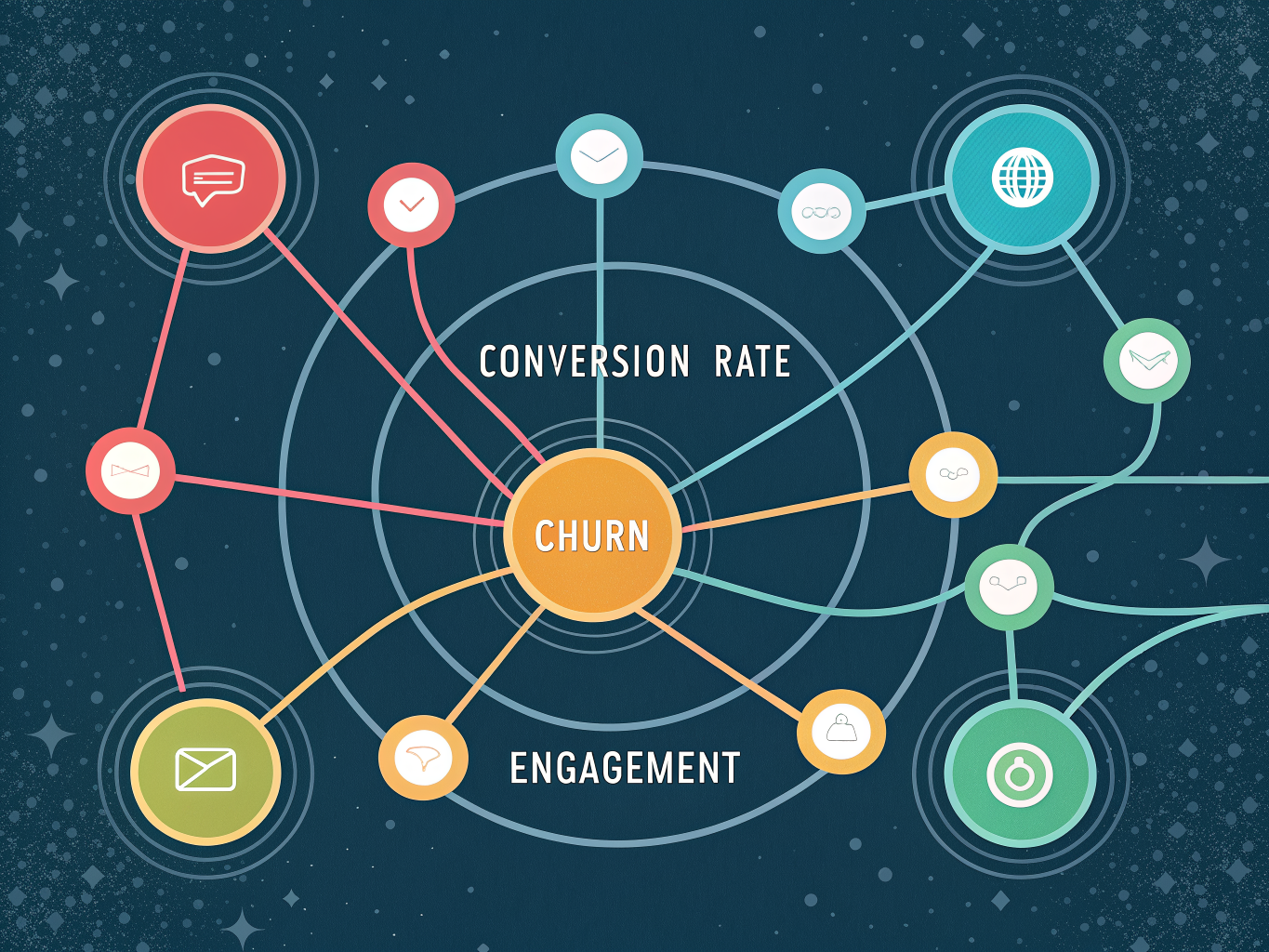
Focus on metrics that reveal friction. Track conversion rates obviously, but also identify drop-off points where customers abandon the journey. Monitor time between touchpoints to spot delays in your nurture sequences. Layer in churn indicators and customer effort scores to understand satisfaction beyond basic engagement metrics.
Real-time dashboards transform reactive analysis into proactive optimization. Watch customer behavior unfold as it happens, catching issues before they compound. Combine this behavioral data with qualitative feedback from surveys and customer interviews; numbers alone miss context.
Here's the reality: most journey analytics projects fail, not because of bad tools or data but because teams overcomplicate the process. Start simple with your highest-value channels, establish baseline metrics, then expand. AI-powered insights can surface patterns your team might miss, but only if your foundation is solid first.
Essential Tools and Technologies for Customer Journey Success in 2026
The right technology stack makes the difference between static maps gathering dust and dynamic systems driving real decisions. Your choice depends on what you're actually trying to accomplish.
Start with the fundamentals. Journey mapping tools like Lucidchart and Microsoft Visio work well for initial visualization, but if you need depth, tools like UXPressia and Smaply offer advanced features built specifically for journey work. These excel at capturing stakeholder insights and building shared understanding across teams.
Analytics platforms handle the data side. Google Analytics remains the baseline for most businesses, while Mixpanel and Amplitude shine for product teams tracking user behavior in detail. Adobe Analytics serves enterprise customers needing sophisticated attribution. The key difference: specialized platforms capture granular event data that general analytics tools miss, giving you the precision needed for real optimization.
For actual execution, orchestration platforms matter most. These combine analytics with personalization, automation, and cross-channel engagement capabilities. HubSpot works well for marketing-heavy teams, Segment for technical environments, and Klaviyo for ecommerce brands. These platforms let you act on insights immediately rather than waiting for manual implementation.
Look for automation and AI capabilities. Modern tools automatically capture user interactions without manual setup, reducing implementation friction. Real-time dashboards matter too, especially for ecommerce teams responding to immediate customer needs.
Here's the practical reality: most organizations use multiple tools. A SaaS company might pair Amplitude for analytics with HubSpot for automation. An ecommerce brand might combine Google Analytics with Klaviyo for email orchestration. Rather than forcing everything into one platform, choose tools that integrate cleanly and solve specific problems well.
Your team size and technical capability matter. Smaller teams benefit from unified platforms reducing complexity. Larger organizations can leverage specialized tools connected via APIs. Start with where your data lives, then build outward.
Key Takeaways: Optimizing Your Customer Journey Strategy
Here's the reality: customer journey optimization isn't a future consideration, it's a 2026 imperative. 52% of customers will switch to a competitor after a single negative interaction, which means every touchpoint carries genuine business weight.
The winning formula combines two elements that many companies still treat separately. You need mapping (the strategic blueprint of where customers go) paired with real-time analytics (the execution engine that reveals what's actually happening). This combination transforms static diagrams into dynamic optimization systems that respond to real behavior.
Here's what moves the needle:
Start with clarity. Define your core business objectives before selecting tools. Are you reducing churn? Accelerating purchase decisions? Improving support efficiency? Your answer determines your analytics focus.
Measure what matters. Real-time data pinpoints friction points where customers abandon you. These aren't abstract insights; they're intervention opportunities. Companies leveraging journey analytics report 15-20% service cost savings, but only when they act on findings.
Automate intelligently. AI and automation enable personalization at scale, but they require clean data and clear rules. Don't implement blindly; validate assumptions against actual customer behavior.
Break silos. Marketing, sales, support, and product teams must align around shared journey insights. Fragmented perspectives create fragmented experiences.
Treat it as continuous. Journey optimization isn't a project with an endpoint. Markets shift, customer expectations evolve, and your strategies must adapt accordingly.
The companies pulling ahead in 2026 won't be those with the fanciest maps. They'll be the ones turning insights into action, fast.
Frequently Asked Questions About Customer Journeys
How long does it actually take to map a customer journey?
Most organizations need 4 to 12 weeks, depending on how complex your business is. A straightforward SaaS product with one main buyer persona? Closer to 4 weeks. Enterprise software with multiple stakeholders and channels? You're looking at 12 weeks or more. The timeline includes research, stakeholder interviews, data collection, and refinement.
What's the difference between a customer journey and a buyer journey?
A buyer journey is the subset focused specifically on the purchase decision. A customer journey is broader, covering everything from awareness through advocacy. You might map both, but they serve different purposes.
Do all your customers follow the same journey?
No. This is a common misconception. Customers vary by persona, industry, channel preference, and previous experience. A first-time buyer takes a different path than a repeat customer. Mobile users behave differently than desktop users. Effective journey mapping accounts for these variations.
Which metrics actually matter?
Focus on conversion rate, drop-off points, churn rate, and time to conversion. But also track Net Promoter Score and customer lifetime value. These tell you where friction exists and where optimization creates real revenue impact.
Can we just use Google Analytics?
Technically possible, but limited. Google Analytics captures web behavior well but struggles with offline touchpoints, cross-device tracking, and the full post-purchase experience. Most teams supplement with CRM data, customer feedback tools, and specialized journey analytics platforms for a complete picture.
How often should we update our maps?
Quarterly reviews are standard. More frequently if your business model shifts, you launch new products, or market conditions change significantly. Stale journey maps create stale strategies.
What's the real ROI?
Organizations typically see 15 to 20 percent cost savings plus measurable revenue growth from journey optimization. But it starts with identifying exactly where customers abandon you.
Conclusion: Making Customer Journeys Your Competitive Advantage
We're at an inflection point. Customer journey mapping is no longer a nice-to-have feature in your marketing stack; it's the difference between thriving and becoming irrelevant in 2026.
Here's what we know: companies that understand their customers deeply, at every touchpoint, win. Businesses that foster an emotional connection with clients exceed their rivals' sales growth by 85%. That gap isn't closing. It's widening.
The infrastructure exists. The tools are available. Analytics platforms can track, measure, and optimize in real-time. What separates market leaders from everyone else isn't access to technology; it's the discipline to actually use it.
Your competitive advantage lives in execution. Start small if you need to. Pick one critical journey. Map it. Instrument it with analytics. Watch what happens. Then iterate. Every touchpoint is an opportunity to delight or disappoint. The companies winning right now treat each interaction as data, not guesswork.
The future belongs to organizations that know their customers better than their customers know themselves. That requires commitment, but the payoff is undeniable.
Your next move is straightforward: audit your current customer journeys this week. Identify the gaps where you're flying blind. Then build the infrastructure to see clearly. The companies that act now won't just survive 2026; they'll define it.
Go deeper in the Learning Hub
Try Arktis free for 7 days
Attribution tracking, session recordings, and AI automation in one platform. Set up in 2 minutes, free for 7 days.
Start 7-day free trial