
Free GDPR Compliant Analytics Tools for 2026: Top 8 Privacy-First Options

Last Updated: March 31, 2026
Key Takeaways
- Google Analytics is not automatically GDPR-compliant and faces legal challenges in multiple EU countries
- Free privacy-first tools like PostHog, Plausible, and Umami offer genuine GDPR compliance without configuration headaches
- Cookieless tracking eliminates cookie banner requirements while protecting user privacy
- Free tools excel at basic metrics but lack conversion-focused user journey analytics for serious growth
- GDPR compliance requires end-to-end governance, not just tool selection
Is Google Analytics Really GDPR Compliant? The Truth in 2026
Here's the uncomfortable truth: Google Analytics is not automatically GDPR-compliant, and no amount of wishful thinking changes that. Yet thousands of European websites continue using it without proper safeguards, operating in a legal gray zone that's becoming increasingly risky.
The distinction matters. GA4 comes with privacy-focused features like data anonymization and consent controls, but these are tools you must configure correctly. Configuration alone isn't compliance. The real problem runs deeper: multiple EU data protection authorities have ruled against GA4 implementations, including regulators in Austria, France, Italy, and Denmark. These weren't edge cases or misconfigurations. They were formal legal rulings stating that GA4, as typically deployed, violates GDPR.

The core issue is data transfers. GA4 sends user data to US servers, and post-Schrems II rulings, that transfer creates legal uncertainty. American surveillance laws don't align with GDPR's strict data protection standards. Compliance depends on your configuration, your purposes, and how you handle data, but the burden falls entirely on you, not Google. When regulators investigate, you're responsible for proving compliance.
This isn't about GA4 being inherently evil. It's about recognizing that relying on a US-based platform without alternatives exposes your organization to regulatory action, fines, and reputational damage. The safest move? Explore genuinely GDPR-native alternatives designed with European privacy law as the foundation, not an afterthought.
8 Free GDPR Compliant Analytics Tools That Actually Work
If you're serious about ditching Google Analytics, these eight free tools give you real privacy compliance without sacrificing insight. Each one takes a fundamentally different approach to data collection, so your choice depends on your technical comfort and specific needs.
Privacy-First Analytics
Plausible Analytics operates from the EU with zero cookies and no personal data collection. Plausible is made and hosted in the EU with no cookies or personal data collection. You get pageviews, bounce rates, and traffic sources without the compliance headaches. The free tier works well for small sites, and you can self-host the open-source version if you want complete control.
Simple Analytics strips analytics down to what actually matters: how many people visit and where they come from. Simple Analytics is 100% GDPR compliant with a free plan offering unlimited pageviews. No cookies, no user tracking, just clean data. This is ideal if you want simplicity over advanced features.
Fathom Analytics takes the lightweight approach with anonymous tracking that requires no cookie consent banners. You'll see traffic patterns and conversions without identifying individual users. It's particularly useful for agencies managing multiple client sites.
All-in-One Platform
PostHog blurs the line between analytics and product intelligence. PostHog offers 1 million events and 5,000 session replays per month with EU hosting. This free tier includes feature flags and experimentation tools, making it valuable if you're optimizing user experience beyond basic metrics. EU hosting ensures GDPR compliance by default.
Open-Source Options
Umami is self-hosted, minimal, and transparent. You control every aspect of data collection on your own servers. Matomo goes further, offering enterprise-grade analytics with full data ownership. Both require technical setup but reward you with complete independence from third-party vendors.
WordPress-Specific
Jetpack Stats offers a free plan for non-commercial WordPress use with GDPR-compliant features. If you're running WordPress, this integrates seamlessly without external scripts.
Pick based on your priorities: privacy obsessives choose Plausible or Simple Analytics; product teams need PostHog; developers prefer Umami or Matomo; WordPress users should start with Jetpack.
What Makes Analytics GDPR Compliant? The 5 Core Requirements
GDPR compliance in analytics isn't about following a checklist; it's about respecting how user data flows through your systems. Understanding the five core requirements helps you evaluate tools and build genuine trust with your audience, rather than just avoiding fines.
Explicit User Consent comes first. You need clear, informed permission before collecting any personal data. This means a consent banner isn't enough; users must actively opt in, understand what data you're collecting and why, and be able to withdraw consent anytime. A cookie popup that buries the decline button doesn't cut it. The consent must be as easy to withdraw as it was to give.
Data Minimization means collecting only what you actually need. If you don't need to track individual user email addresses for analytics, don't collect them. Many analytics platforms default to excessive data gathering. GDPR-compliant tools let you specify exactly which metrics matter for your business, reducing both your legal exposure and storage costs.

Secure Data Handling requires encryption, access controls, and regular staff training. Your data is only as protected as your weakest link. A GDPR-compliant tool should encrypt data both in transit and at rest, limit who can access what, and maintain audit logs.
Right to Access and Erasure gives users power over their own data. When someone requests their information, you must provide it within 30 days. When they ask for deletion, you must comply. GDPR compliance requires user consent, data minimization, secure handling, and right to erasure. This isn't optional; it's fundamental.
Finally, Data Residency matters. GDPR applies based on where the individual is located, not where your servers sit. If you're tracking Europeans, their data must be stored and processed within the EU or countries with adequate data protection standards. This eliminates many US-based platforms by default.
Cookieless Tracking: Why It Matters for GDPR Compliance
The shift toward cookieless analytics represents one of the most straightforward paths to GDPR compliance. Instead of tracking individual users across websites using persistent cookies, cookieless tools collect aggregated data that reveals patterns without identifying people. This fundamental difference eliminates the legal friction that makes traditional analytics so problematic under GDPR.
Here's the practical distinction: cookie-based systems like Google Analytics track specific visitors by storing identifiers in their browsers, requiring explicit consent under GDPR. Cookieless alternatives bypass this requirement entirely by processing data server-side or using non-identifying signals like browser referrer information. Plausible and Fathom collect no personally identifiable information, eliminating cookie banner requirements. Simple Analytics never stores personally identifiable information and uses browser referrer data instead of tracking pixels, achieving the same outcome through different technical architecture.
The trade-off is real but manageable. You lose the ability to track individual user journeys, segment by detailed behavioral patterns, or build comprehensive user profiles. For many businesses, this isn't actually a limitation; aggregate metrics tell you what matters most: traffic sources, page performance, conversion rates, and visitor volume. You see the forest clearly, just not every tree.
The compliance benefit extends beyond legal safety. Removing cookie consent banners improves user experience immediately. No pop-ups, no tracking disclosures, no friction. Visitors appreciate the transparency, and you eliminate the conversion drag that consent forms create. If your analytics priorities center on business metrics rather than individual user profiling, cookieless tracking delivers genuine value without the regulatory headache that plagues conventional solutions.
Self-Hosted vs Cloud-Hosted: Which is Right for Your Business?
When choosing between self-hosted and cloud-hosted analytics, the decision hinges on three factors: control, technical capacity, and compliance confidence.
Self-hosted solutions give you maximum data ownership. Self-hosted platforms like Matomo and Umami offer complete control over data, meaning your visitor information never leaves your servers. This eliminates any ambiguity about who owns what. The trade-off is real, though. You'll need technical expertise or a developer to install, maintain, and update the software. Server costs add up. Security patches become your responsibility.
Cloud-hosted alternatives simplify operations dramatically. Cloud-hosted services like Fathom handle infrastructure while maintaining GDPR compliance. Setup takes minutes, not weeks. Someone else manages updates and security. For GDPR compliance, what matters is location. EU-based cloud providers satisfy data residency requirements, which is why services like Plausible and Fathom work without consent banners.
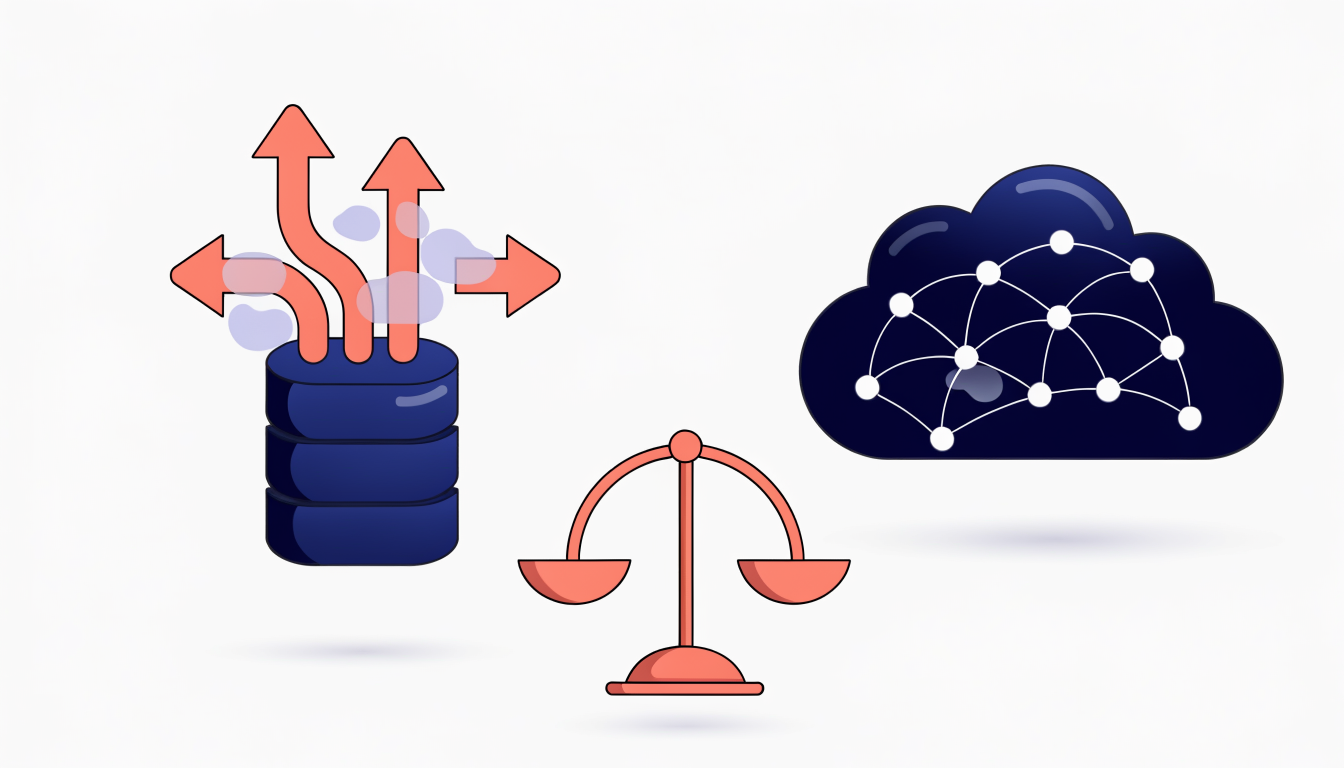
Many platforms split the difference. Matomo offers both free self-hosting and managed cloud. PostHog offers EU data hosting for cloud deployments and open-source self-hosting options. This flexibility lets you start simple and scale when needed. Choose self-hosted if you have technical resources and want absolute control. Choose cloud if you value ease and trust the provider's EU infrastructure.
The Gap Between Free GDPR Tools and Conversion-Focused Analytics
Free GDPR-compliant analytics tools deliver exactly what they promise: clean, basic metrics without the legal headaches. Traffic sources, page views, referrer data, bounce rates. For many small businesses, that's genuinely enough. But there's a hard truth worth acknowledging: aggregate numbers don't tell you why customers convert.
Here's where the gap appears. Free tools focus on basic metrics like traffic and referrers, but they struggle with the messy reality of conversion paths. A visitor lands on your homepage from a paid ad, leaves, returns three days later through organic search, browses your pricing page, then converts from an email link. Free analytics sees three separate sessions. It can't connect the dots or show you which touchpoint actually closed the deal.
Cookieless tracking, while privacy-respecting, creates blind spots. You lose individual user journey mapping, cross-session behavior patterns, and the ability to spot what actually drives conversions versus what just looks correlated. AI-powered insights that flag unusual behaviors or predict churn? Not available in the free tier.
This limitation doesn't mean free tools are wrong. It means they're incomplete for growth-focused teams. As your business scales, understanding conversion mechanics becomes non-negotiable. You need to know which content resonates, which traffic sources deliver real value, and where prospects drop off.
The solution isn't choosing between privacy and insight. Privacy-first conversion analytics bridges this gap by combining GDPR compliance with user-level journey tracking (without storing personally identifiable data). Enterprise-grade tools now achieve this balance, letting you understand customer behavior while respecting privacy regulations. For serious growth, that shift from aggregate reporting to privacy-compliant conversion intelligence becomes inevitable.
Frequently Asked Questions About GDPR Compliant Analytics
Q: Do I need cookie consent banners with GDPR-compliant analytics?
Not necessarily. Tools like Plausible, Fathom, and TelemetryDeck collect no personally identifiable information, so they don't require consent banners. However, if your analytics tool uses cookies or processes any personal data, you'll need explicit consent before tracking begins. The key is choosing a privacy-first solution that minimizes data collection from the start.
Q: Can I still use Google Analytics and be GDPR-compliant?
Technically, maybe, but it's risky. Google Analytics has faced multiple regulatory challenges across Europe due to how it transfers data to the US. Even with consent banners and data processing agreements in place, many data protection authorities argue GA4 fundamentally conflicts with GDPR principles. Most compliance experts recommend switching to dedicated GDPR-friendly alternatives rather than fighting an uphill battle.
Q: What's the penalty for GDPR non-compliance?
GDPR violations can result in fines up to 4% of yearly revenue, or €20 million, whichever is higher. That's significant enough to warrant immediate action. Beyond fines, you risk reputational damage and user trust erosion. Compliance isn't optional.
Q: How do I know if an analytics tool is truly GDPR-compliant?
Verify GDPR compliance by looking for privacy-first features like anonymous data collection and cookie-free tracking. Check if they offer a Data Processing Agreement (DPA), store data in EU servers, and have transparent privacy policies. Ask vendors directly about their compliance certifications and audit reports. Don't rely on marketing claims alone.
Q: Should I self-host or use cloud hosting?
Self-hosting gives maximum control and keeps data in your hands, but requires technical expertise and server maintenance. Cloud hosting is simpler but means trusting a third party. Either works for GDPR compliance if the tool itself is privacy-first and your data stays within EU borders.
Q: Can I migrate from Google Analytics without losing data?
Clean migration is possible, but historical GA data won't transfer directly. Most tools provide import guides or can help you set up parallel tracking during transition. Plan for a 2-3 week overlap period where both systems run simultaneously.
Moving Forward: From Compliance to Growth
Free GDPR-compliant analytics tools are exactly what they claim to be: a solid foundation for meeting legal requirements without breaking your budget. They solve the immediate compliance crisis that haunts many businesses still clinging to Google Analytics. But compliance alone doesn't drive revenue.
The real opportunity emerges when you stop treating privacy and business growth as opposing forces. They're not. The most sophisticated organizations in 2026 understand that respecting user privacy actually builds trust, which converts better. When visitors know their data is genuinely protected, they engage more openly with your content and offers.
As your business scales, you'll need deeper insights into user journeys and conversion paths. Free tools provide the compliance baseline, but they rarely answer the questions that actually move the needle: which content drives action, where do visitors hesitate, what genuinely converts. The challenge in 2026 is implementing end-to-end governance while gaining actionable insights, according to strategic outlooks.
Privacy-first conversion analytics represents the next evolution. Platforms built on this principle capture meaningful behavior data while maintaining genuine user protection. Your compliance becomes your competitive advantage.
Ready to move beyond baseline compliance? Start exploring privacy-first analytics solutions that actually connect compliance with growth. Your business, and your users, will thank you.
Go deeper in the Learning Hub
Try Arktis free for 7 days
Attribution tracking, session recordings, and AI automation in one platform. Set up in 2 minutes, free for 7 days.
Start 7-day free trial