
Optimizing Conversions: Data-Driven Strategies for 2026
Last Updated: February 23, 2026 Key Takeaways CRO is a structured system combining data, psychology, UX, and testing, not random button tweaks Use frameworks li...

Last Updated: February 23, 2026
Key Takeaways
- CRO is a structured system combining data, psychology, UX, and testing, not random button tweaks
- Use frameworks like PIE to prioritize high-impact tests over vanity metrics and busy work
- Qualitative tools like heatmaps reveal the 'why' behind quantitative metrics
- Personalization and AI scale relevance; message match and trust signals reduce hesitation
- Continuous iteration compounds wins; even 1% improvements drive significant long-term revenue
What Is Conversion Rate Optimization and Why It Matters in 2026
Conversion rate optimization (CRO) is the systematic practice of improving the percentage of website visitors who complete a desired action, whether that's making a purchase, signing up, or downloading a resource. But here's what matters: it's no longer a nice-to-have marketing tactic. It's become essential infrastructure for growth.
The math is brutal. In 2025, optimizing conversion rate is no longer optional; competition is fierce and acquisition costs are rising. While paid traffic gets more expensive by the quarter, there's a lever sitting right in front of you: the visitors already arriving at your site. A 10% improvement in conversion rate on existing traffic often delivers more revenue than a 10% increase in ad spend.
CRO has evolved from a tactical marketing function into a core growth discipline. It's moved beyond random A/B testing of button colors. Modern CRO combines behavioral psychology, AI-driven insights, and rigorous experimentation across the entire customer journey. Every touchpoint, from landing page to post-purchase experience, becomes an opportunity to reduce friction and build trust.
The compounding effect is what separates winners from the rest. Small gains at each stage multiply dramatically. A 5% improvement in signup conversion, combined with a 3% lift in checkout completion, compounds into revenue growth that looks like you've scaled your entire marketing engine.
In 2026, focus is shifting toward holistic experience optimization, human-centered trust signals, and content-led CRO. Brands that treat CRO as a core discipline, not a side project, will outpace competitors who still rely primarily on acquisition volume.

The Data Foundation: Understanding User Behavior Before You Optimize
You can't optimize what you don't understand. And you can't understand user behavior by guessing.
This is where most brands fail. They make changes based on hunches, industry trends, or what competitors are doing. Then they wonder why conversions stay flat.
The difference between brands that grow and those that stall comes down to one thing: a comprehensive data foundation.
Start with the quantitative layer. Your analytics platform tells you what users are doing: how many visit your site, where they drop off, which pages perform best. Funnel analysis is particularly revealing here. By visualizing the conversion path, you can precisely identify where users are dropping off, allowing you to pinpoint the biggest bottlenecks. Maybe 40% of visitors abandon at checkout, or 60% never make it past your pricing page. The numbers show you where the problem lives.
But numbers alone don't tell the full story.
This is where qualitative data becomes essential. While quantitative data tells you what users are doing, qualitative tools like heatmaps and session recordings show you why. A heatmap reveals which elements users actually interact with. You might discover that customers are clicking on non-interactive elements, indicating a UX flaw. Session recordings uncover the friction that metrics miss: confusion, bugs, unexpected navigation patterns, moments where users hesitate.
Modern tools now make this easier. Advanced analytics can even surface attribution insights from call recordings, identifying when customers mention how they heard about your business.
Without this dual lens, you're operating blind. You optimize based on assumptions rather than evidence. You waste budget testing changes that don't address real problems.
The brands winning in 2026 start here: they collect both the numbers and the stories. Only then does optimization become systematic, predictable, and effective.
Core CRO Strategies: From Landing Pages to Personalization
The foundation of conversion optimization rests on a simple principle: remove friction at every touchpoint. This means starting with your landing pages, which eliminate the distractions that derail users. A dedicated landing page channels all attention toward a single conversion goal, without navigation menus or competing links pulling visitors away from what matters.
But a great landing page alone isn't enough. The journey begins before users arrive. When the message in your ad perfectly matches the content on the page, it builds trust and reduces friction, leading to higher conversion rates. This message match is psychological; users expect consistency, and when they find it, they're more likely to stay and convert.
Your value proposition must be instantly clear. Not "innovative solutions" or "cutting-edge technology," but specific, benefit-focused statements that show real, tangible outcomes. What does your product actually do for the user's life or business? Lead with that.
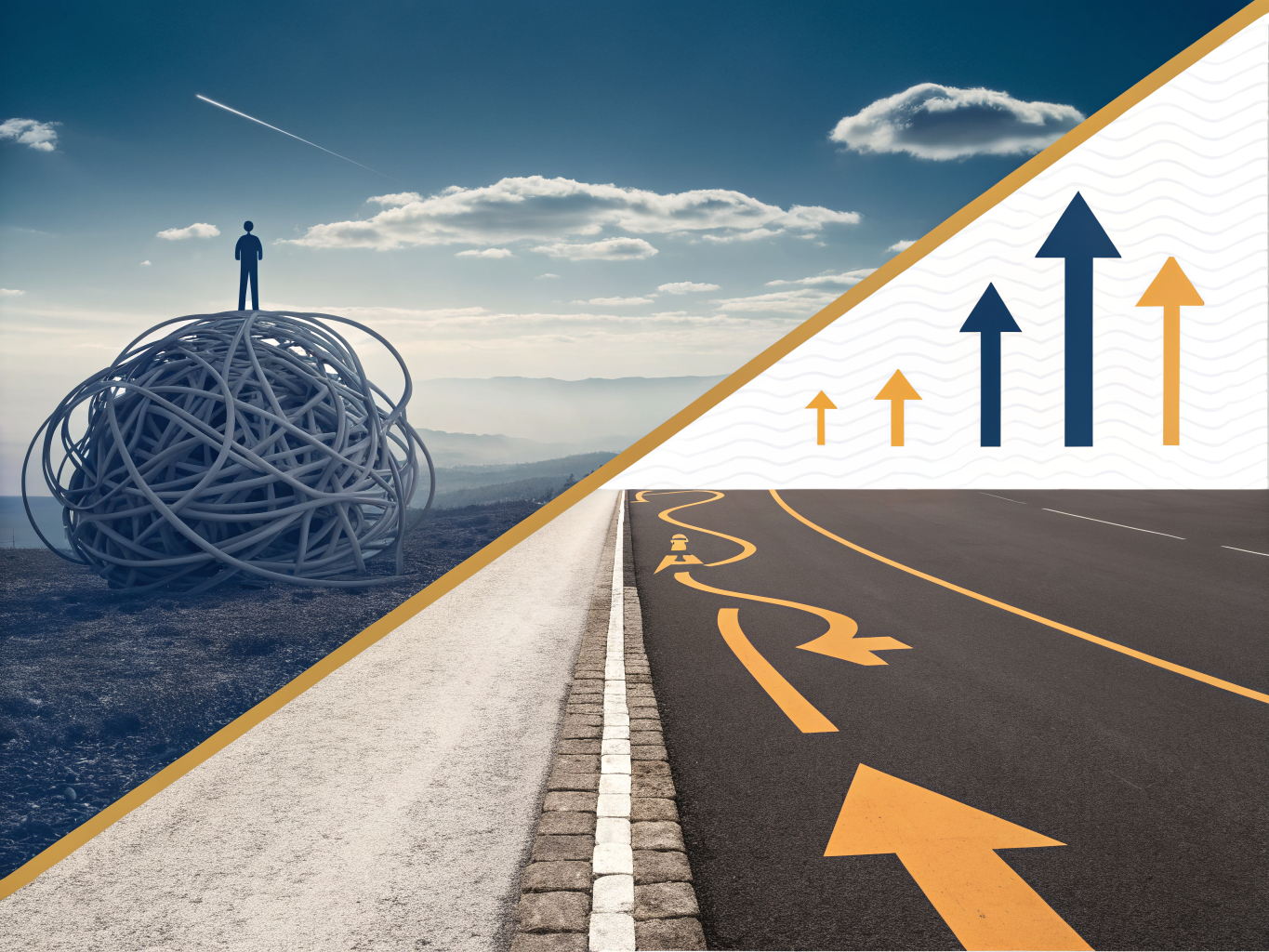
Beyond these fundamentals, personalization scales relevance across your entire funnel. Personalization dynamically adjusts messaging, merchandising, and reassurance based on signals like entry channel, device, behavior, and intent. A mobile user sees different messaging than a desktop visitor; a returning prospect encounters different reassurance than a cold lead.
Finally, address the skepticism that lingers before purchase. Social proof through reviews, ratings, and customer testimonials reassures potential customers and creates urgency. Trust signals work because they shift the burden of proof from your brand to your existing customers.
These strategies work together to guide users from uncertainty to confidence. Each one targets a specific moment where friction could derail the conversion.
The Testing Framework: A/B Testing, Prioritization, and Experimentation
Here's your section:
A/B testing transforms conversion optimization from guesswork into a systematic, revenue-focused discipline. Rather than relying on hunches, you compare two variations of a page element with real users to see which drives better results. The key is discipline: CRO experts emphasize that A/B testing lets you rely on real data to support design decisions rather than intuition and experience.
But not every test deserves your time. The PIE framework (Potential, Importance, Ease) prevents wasted effort on low-impact experiments. Prioritization frameworks show that CRO leaders use this approach to rank tests based on impact, confidence, and ease of implementation. A high-potential, high-importance test that's relatively easy to execute should jump to the front of your queue. A low-impact tweak that demands months of development work should wait.
Once you're testing, statistical significance is non-negotiable. You need adequate sample size and duration to confidently say results aren't random chance. Running a test for three days and declaring a winner is how you waste budget chasing noise.
Test one variable at a time. Changing your button color and your copy simultaneously means you'll never know which change actually moved the needle. This isolation is what reveals causation, not just correlation.
Two high-impact, low-effort wins deserve immediate attention: guest checkout and mobile optimization. E-commerce research reveals that being forced to create an account is a significant driver of order abandonment; guest checkout is essential. Mobile optimization isn't optional anymore. These aren't nice-to-haves; they're conversion blockers sitting in your data right now.
The compounding effect makes this approach powerful. Conversion studies show that incremental improvements through A/B testing, even as low as 1%, can translate into significant profits over time. Small wins stack. Systematic testing builds momentum toward sustainable growth.
Advanced Tactics: AI, Personalization, and Scaling Conversions at 2026 Speed
AI isn't magic; it's a relevance engine. The brands winning in 2026 use it to scale what works, not to automate away human judgment. CRO leaders explain that AI is everywhere in conversion conversations, but the real advantage comes from using it to scale relevance, not automate optimization itself.
Here's what this looks like in practice. Predictive analytics anticipate what a customer needs before they fully realize it, then personalize offers and page layouts in real-time based on their behavior, intent signals, and past interactions. A visitor lands on your site; the system recognizes patterns from thousands of similar visitors and adjusts the experience accordingly. No guessing. No generic landing pages serving everyone the same message.
But here's the catch: sophistication doesn't equal complexity. Conversion experts advise that the biggest gains come from simple personalization done consistently, not over-engineered AI theater. One clear product recommendation beats five algorithmic layers. One personalized headline beats dynamic text that shifts every second.

The integration point is critical: tie your AI models directly to conversion events using first-party data you actually own. Not vanity metrics. Not engagement theater. Real conversions. Real revenue. Real customer actions that matter to your business.
Privacy-first policies add another layer. Modern conversion strategies show that winning brands align audience insight, creative, and measurement to moments that genuinely move people to act, without relying on third-party tracking. This forces clarity: what do you actually know about your customers? What signals matter? What can you personalize ethically?
The 2026 playbook is straightforward. Start with simple, proven personalization. Layer in AI to scale what works. Measure ruthlessly. Iterate fast. Skip the complexity tax. Your conversion rate will thank you.
Industry-Specific Optimization: E-Commerce, SaaS, and B2B Approaches
One size doesn't fit all in conversion optimization. Your e-commerce store faces entirely different friction points than a SaaS platform or B2B sales operation, so your testing priorities need to match.
For e-commerce, focus ruthlessly on checkout and product pages. High-quality product images reassure visitors they are purchasing the correct item, and giving users easy access to shipping and return information can make or break a sale. Mobile optimization isn't optional here; it's where most abandonment happens. Test fewer form fields, simplify payment options, and show trust signals early.
SaaS companies play a different game. Your conversion bottleneck typically sits between trial signup and paid conversion. The real win comes from reducing onboarding friction and accelerating feature adoption. Users who understand your product's core value in their first session convert at dramatically higher rates. Session recordings reveal exactly where people get stuck, giving you concrete direction for product improvements.
B2B operates on longer timelines with multiple decision-makers. B2B CRO focuses on increasing demo requests, improving qualification rates, and lifting win rates from existing sessions. Your priority is lead quality over volume. Stronger qualification questions, clearer value positioning, and faster response times compress sales cycles.
What ties these verticals together? Unified data and cross-funnel visibility. You need to see where prospects drop off at each stage, not just surface-level metrics. Industry benchmarks become your reality check, helping you spot whether your 2% trial-to-paid rate is acceptable or a red flag worth investigating immediately.
Test what matters for your model, measure relentlessly, and adjust weekly.
Building a Conversion Optimization Culture: Implementation and Continuous Improvement
Here's your section:
Conversion optimization only works when it becomes part of how your team operates, not a quarterly project gathering dust. Start by mapping a testing calendar tied to your biggest funnel bottlenecks. Assign clear ownership so someone actually runs the tests instead of them falling between departments. This removes the friction that kills momentum.
Next, make learning visible. When one team discovers that shorter forms convert better, share it across marketing, product, and sales. When another finds that social proof matters more for mobile users, document it. When testing is consistent and visible, conversion funnel optimization turns into a habit. You're building institutional knowledge that compounds.
Track what actually matters: revenue impact, not just conversion rate bumps. A 2% conversion lift means nothing if those users spend less or churn faster. Focus on metrics that move your bottom line.

Here's the truth: CRO should be seen as an ongoing cycle of testing, measuring, and improving; high-performing sites are never done. Start small, test often, stay obsessed with what your users actually need. Small wins compound into serious growth.
FAQ: Common Conversion Optimization Questions Answered
What's a good conversion rate for my industry?
Benchmarks vary widely. SaaS products typically see 2-5%, while top-performing eCommerce sites hit 5.5% or higher. Rather than chasing industry averages, focus on your own baseline and improving it consistently. A 0.5% lift on your current rate often matters more than matching someone else's numbers.
How long until I see results from CRO?
You'll spot early signals within 2-4 weeks of testing if you have decent traffic. Statistical confidence typically takes 4-8 weeks. Don't expect overnight transformation. CRO is compound growth; small wins stack up. The brands winning in 2026 started testing months ago, so the best time to begin is now.
Do I need expensive tools to get started?
No. Free and low-cost options exist: Google Analytics, Hotjar's free tier, and basic A/B testing platforms get you 80% of the way there. Invest in tools only after you've validated that testing works for your business. Many teams waste budget on enterprise software before mastering the fundamentals.
How do I prioritize which tests to run?
Use the impact-effort framework. Test changes that affect many visitors and are quick to implement first. High-traffic pages, checkout flows, and homepage elements typically deliver the fastest wins. Skip vanity tests; focus on what moves the needle.
What's the difference between CRO and A/B testing?
CRO is the broader discipline involving data analysis, UX research, and systematic experimentation. A/B testing is one tool within that toolkit. Think of CRO as the strategy; A/B testing as the tactic.
Conclusion: Your Conversion Optimization Roadmap for 2026 and Beyond
The path forward is clear: conversion rate optimization isn't a luxury for well-funded tech companies anymore. It's the most cost-effective growth lever available, especially when customer acquisition costs keep climbing. Getting the most out of each visit is now one of the most powerful and cost-effective levers in any digital strategy.
Here's what separates winners from the rest: they start with data, not hunches. They test systematically, not randomly. They build cultures where experimentation compounds into significant revenue gains over months and years.
You don't need perfect conditions to begin. You need a foundation. Start by auditing your current traffic, identifying friction points, and establishing baseline metrics. Let those numbers guide your first experiments. Whether you're running an e-commerce store, SaaS platform, or service business, conversion optimization works.
The brands crushing it in 2026 aren't waiting for the perfect moment or the ideal toolset. They're moving now. Even a 2-3% improvement in conversion rate, tested and validated systematically, translates to substantial revenue without spending more on acquisition.
Your roadmap starts today. Pick one high-impact area, measure it properly, test it rigorously, and scale what wins. That's how you turn existing traffic into real growth.
Go deeper in the Learning Hub
Try Arktis free for 7 days
Attribution tracking, session recordings, and AI automation in one platform. Set up in 2 minutes, free for 7 days.
Start 7-day free trial