
Privacy First Analytics: Why It Matters for Business Growth in 2026

Last Updated: April 2, 2026
Key Takeaways
- Privacy-first analytics prioritizes user privacy while delivering accurate conversion and customer journey data
- Traditional tracking misses 20-40% of traffic due to ad blockers, browser restrictions, and consent refusal
- GDPR fines now average €2.36 million, making compliance not optional but essential for business survival
- Privacy-first platforms enable sophisticated measurement, AI automation, and revenue optimization without cookies
What Is Privacy First Analytics and Why Does It Matter Now
Privacy-first analytics means designing your measurement strategy around restraint: collecting only the data you actually need, storing it under your direct control, and avoiding unnecessary third-party sharing. It's the deliberate opposite of the surveillance-based tracking that dominated digital measurement for the past two decades.
Why does this matter now, in 2026? Because the old model is collapsing. Safari and Firefox have blocked third-party cookies by default. Users increasingly refuse cookie consent. And regulators like GDPR have made it clear that collecting data "just in case" carries real legal and financial risk. The infrastructure that powered traditional analytics is simply breaking down.
But this isn't just a compliance story. It's a competitive one. Privacy-first analytics has grown beyond simple traffic reporting to include funnels, attribution, and customer journey analysis, giving you the same insights as legacy platforms without the technical debt or trust erosion. Businesses that make this shift now build customer confidence while gaining access to data that actually reflects user behavior, not what tracking pixels managed to capture before being blocked.

The shift is no longer optional. Privacy-first analytics is now the baseline expectation for responsible businesses, especially in ecommerce and SaaS. Companies that delay this transition face growing compliance risk, technical fragility, and customer skepticism. Those that move forward gain cleaner data, stronger trust, and a measurement foundation built to last.
The Compliance Crisis: Why Traditional Analytics Puts Your Business at Risk
The regulatory environment has shifted fundamentally. GDPR enforcement has intensified with 2,245 fines totaling €5.65 billion by March 2025, averaging €2.36 million, and penalties can reach 4% of annual revenue. For many organizations, that's a number that demands immediate attention.
What's particularly urgent is that Google Analytics, the tool most businesses rely on, has been ruled non-compliant with GDPR in multiple EU countries including France, Austria, and Germany. The core issue: data transfers outside the EU without adequate safeguards. Organizations continuing with traditional setups without proper remediation face regulatory intervention and potential service cessation.
But here's the paradox: traditional tracking creates compliance risk while simultaneously delivering incomplete data. Cookie consent rates average around 31%, meaning you're losing 69% of visitor insights while still carrying full regulatory liability. You're exposed to enforcement action and flying blind on customer behavior simultaneously.
The question isn't whether to change, but how quickly. Waiting for regulators to contact you individually means playing catch-up under pressure. Organizations that move now gain a dual advantage: they eliminate compliance exposure while capturing data that cookie-based tracking misses entirely. Privacy-first analytics isn't just about risk mitigation; it's about accessing the visitor intelligence your competitors can't reach because they're still operating under yesterday's infrastructure.
How Privacy First Analytics Actually Works
Privacy-first analytics works by collecting behavioral data without tying it to individual identities. Instead of tracking who someone is, the system records what happened: which pages they visited, how far they scrolled, what they clicked. Privacy-first platforms collect aggregate behavioral patterns without linking data to individual identities, satisfying GDPR requirements. This shift from individual-level to aggregate-level data is the foundation that makes everything else possible.
The technical mechanism relies on server-side tracking, which moves data collection from the visitor's browser to your own servers. Rather than dropping tracking pixels in browsers (where ad blockers and privacy settings interfere), server-side tagging shifts data collection from client browsers to server environment for better control. Your servers capture the data directly, making it more reliable and harder to block.
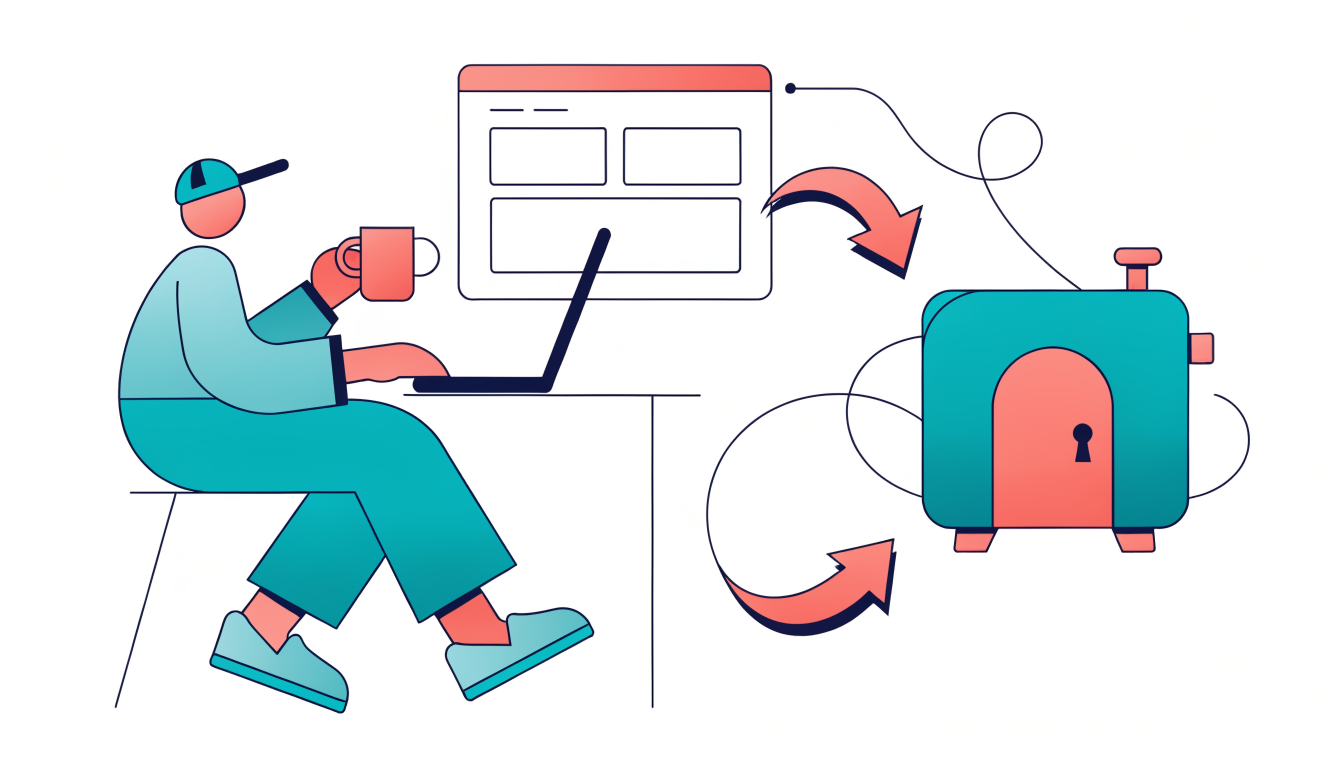
First-party data strategies complement this approach. These rely on cookies you control directly, not third-party cookies scattered across the web. You own the data, you set the rules, and you decide what to collect. Combined with data minimization,collecting only what actually matters for your business decisions,you eliminate most compliance headaches. The result: accurate insights without the regulatory burden. You can use privacy-first analytics without needing to ask for consent when you're collecting only aggregated, anonymized behavioral data. That's the practical advantage many businesses overlook.
The Business Case: Why Privacy First Analytics Drives Better Results
Here's the reality: traditional analytics is quietly failing you. If your tracking relies on third-party cookies and scripts, you're missing 20-40% of actual traffic because ad blockers, browser restrictions, and privacy settings are silently filtering out real visitor data. That's not a minor gap; it's a blind spot affecting your business decisions.
Privacy-first analytics flips this entirely. By working without cookies and invasive tracking, these platforms capture data that traditional tools simply can't see. More traffic visibility means better insights into what actually drives conversions, not estimates based on incomplete data.
But the advantages extend beyond data accuracy. Those consent banners that interrupt user experience? Gone. Visitors spend less time clicking through privacy notices and more time engaging with your content. The result is measurable: higher engagement, faster conversions, and less friction in the customer journey.
Trust is the often-overlooked multiplier here. When customers know their data isn't being sold to data brokers or tracked across the internet, they engage differently. They're more likely to return, spend more, and recommend you to others. This directly impacts lifetime value in ways traditional metrics don't always capture.
Modern privacy-first platforms have also evolved beyond simplicity. They now support sophisticated funnels, multi-touch attribution, and AI-driven journey analysis that rivals legacy tools. You're not trading capability for compliance; you're gaining both simultaneously.
The competitive advantage is clear: businesses using privacy-first analytics have more complete data, happier customers, and sustainable measurement that won't break when the next browser update rolls out. That's not just compliance-smart; it's growth-smart.
Building Your Privacy First Analytics Stack
The foundation of any privacy-first analytics stack begins with a simple but often overlooked question: what do you actually need to measure? Rather than collecting everything possible, successful implementations focus on restraint. Define your critical business questions first. For an ecommerce business, that might mean understanding purchase journeys and product performance. For SaaS, it's often activation rates, feature adoption, and churn signals. This discipline keeps your data lean and your compliance burden manageable.
Next, shift your focus to first-party data you control directly. First-party data strategies minimize reliance on third-party tracking while maintaining personalization capabilities. Rather than depending on data brokers or third-party pixels, collect information through your own channels: customer accounts, email preferences, purchase history, and explicit user interactions. This approach gives you ownership, improves data quality, and naturally aligns with privacy regulations.

Server-side tracking deserves serious consideration. Server-side tracking is more resilient to blockers and aligns naturally with privacy-first analytics principles. By processing data on your infrastructure rather than relying on browser-based pixels, you gain accuracy and avoid the limitations of ad blockers.
Finally, your stack must include consent management, data minimization controls, and audit trails for compliance proof. Look for platforms that support sophisticated measurement like custom events and attribution modeling without requiring invasive tracking. The best tools let you answer complex business questions while maintaining genuine privacy standards. This balance is where competitive advantage lives.
Frequently Asked Questions About Privacy First Analytics
Will I lose insights by switching to privacy-first analytics?
Actually, the opposite. Privacy-first platforms capture traffic that traditional tools miss, like visitors using ad blockers or those who refuse consent. You'll see a more complete picture of your audience without the blind spots Google Analytics creates. Privacy-first platforms collect aggregate behavioral patterns without linking data to individual identities, satisfying GDPR Article 5 requirements. The data you do collect tends to be more accurate because you're not relying on cookies that get deleted or blocked.
Do I still need consent banners?
Not necessarily. Many privacy-friendly tools operate consent-free by default because they don't collect personal data as defined by GDPR. If you're tracking aggregate patterns without identifying individuals, you can skip the banner entirely. This eliminates a major compliance headache and improves user experience.
Can I still track conversions and customer journeys?
Yes. Modern privacy-first tools support funnels, custom events, attribution modeling, and AI-driven journey analysis. You're not sacrificing functionality; you're just collecting it differently. The insights remain actionable.
What's the real difference between privacy-first and "GDPR-compliant"?
Privacy-first is a design philosophy that goes beyond minimum legal requirements. GDPR compliance means meeting the baseline; privacy-first means eliminating most legal risk before it exists. It's the difference between checking boxes and building trust.
How do I actually make the switch?
Most platforms let you import historical GA data and run both systems in parallel. You won't lose continuity; you'll gain redundancy and confidence before fully migrating.
Next Steps: Implementing Privacy First Analytics for Your Business
The shift to privacy-first analytics isn't coming; it's here. Businesses that move now gain a structural advantage: better data quality, lower compliance risk, and genuine customer trust. Those that wait face mounting pressure from regulators, platform changes, and customers who increasingly expect privacy protection as a baseline.
The math is straightforward. Regulatory fines for non-compliance can reach millions. Data accuracy suffers as third-party tracking degrades. Customer relationships erode when privacy feels like an afterthought. Meanwhile, privacy-first approaches deliver what actually matters: signals that are useful and sustainable. You're not sacrificing measurement; you're upgrading it.
Implementation doesn't require a complete overhaul. Start by auditing your current tracking setup. Identify which data points drive real business decisions and which are just noise. Move critical conversions to first-party collection. Layer in consent management that respects user choice while capturing the signals that matter. Platforms built for this transition handle the technical complexity, letting your team focus on strategy rather than infrastructure.
The competitive edge belongs to businesses that act decisively now. You can build a measurement system that's both compliant and sophisticated, that respects privacy while driving growth. The question isn't whether to make this shift. It's whether you'll lead the transition or play catch-up later.
Go deeper in the Learning Hub
Try Arktis free for 7 days
Attribution tracking, session recordings, and AI automation in one platform. Set up in 2 minutes, free for 7 days.
Start 7-day free trial